Pavers Guide
Can Pavers Be Laid Directly on Dirt or Grass?
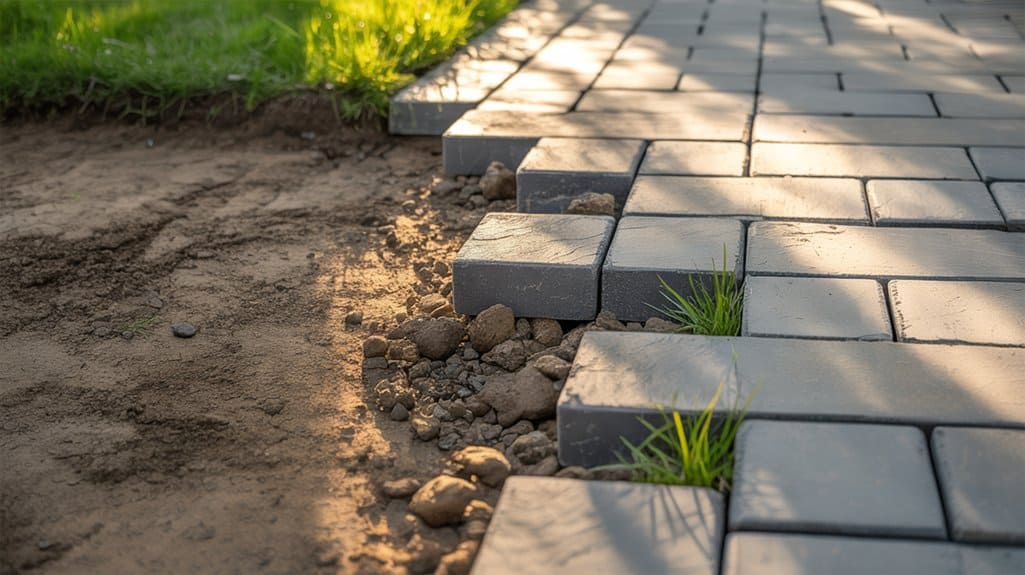
Pavers laid on dirt or grass settle, rock, and heave within a season. A compacted aggregate base over stripped subgrade is what carries load and drains water.

Pavers laid on dirt or grass settle, rock, and heave within a season. A compacted aggregate base over stripped subgrade is what carries load and drains water.
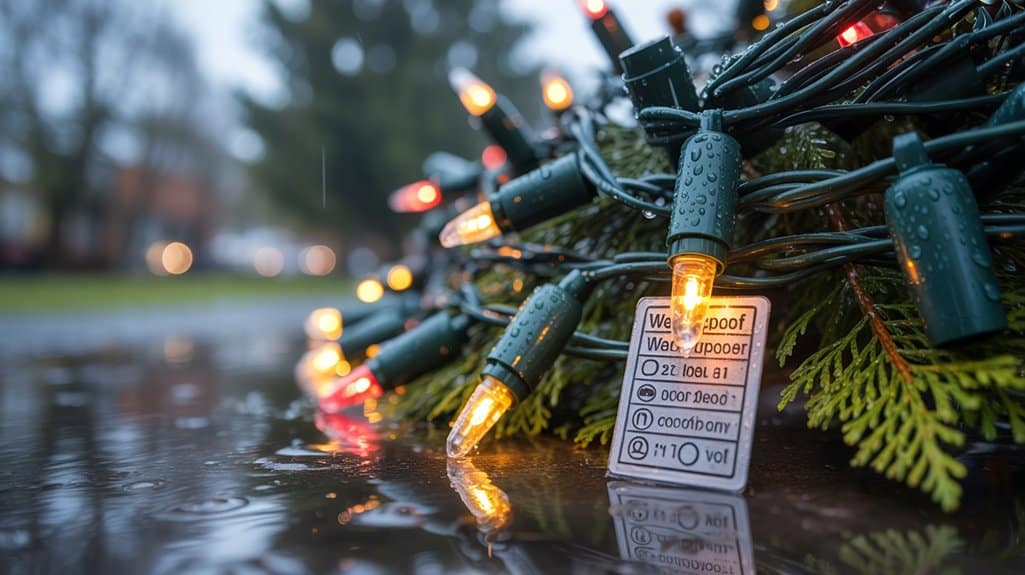
Outdoor Christmas lights are water-resistant, not waterproof. UL 588 and a W cord rating allow rain. Sealed, raised connectors keep the GFCI from tripping.
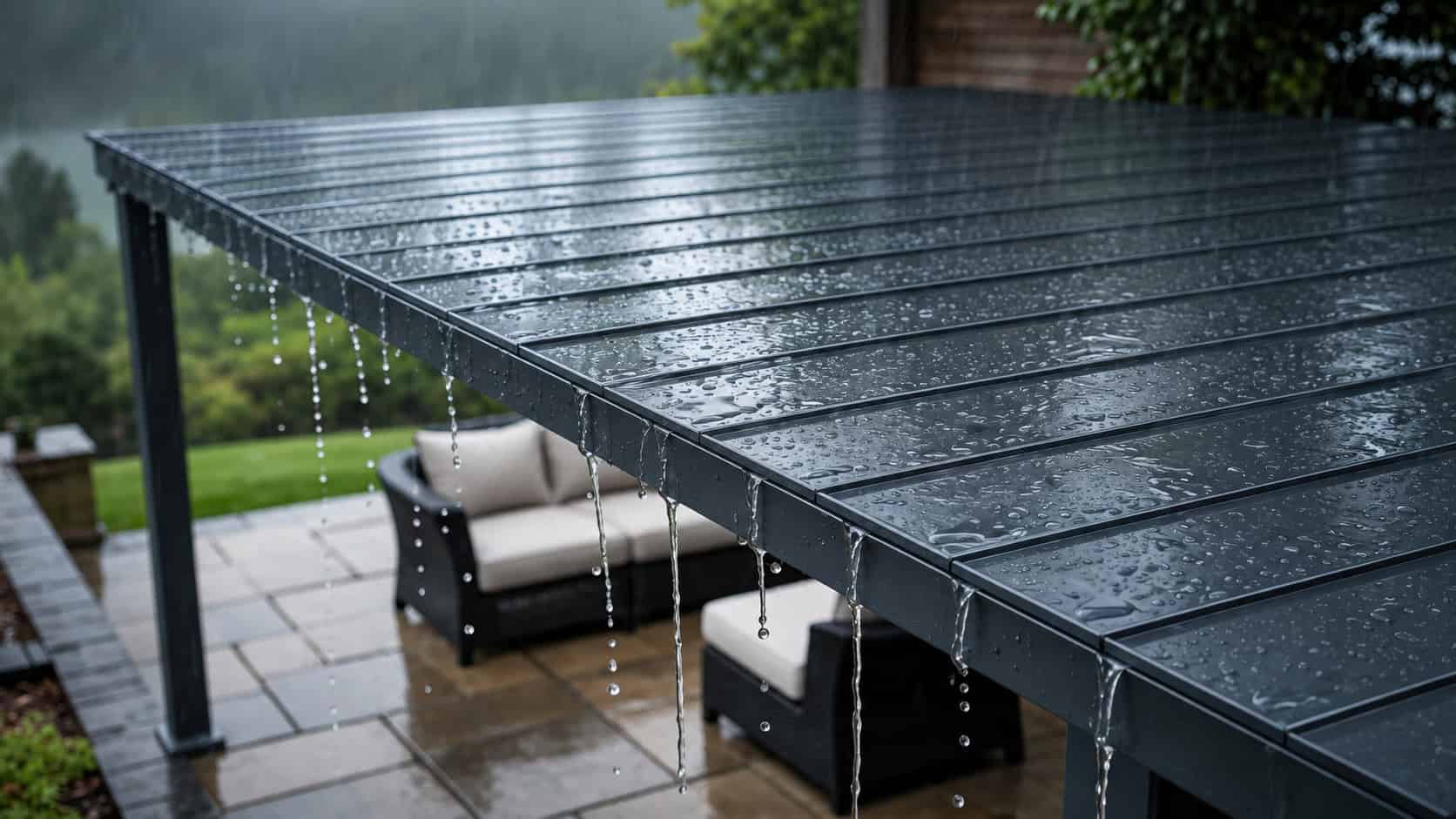
A louvered pergola keeps the area beneath it dry in steady rain when the blades close and shed water to gutters. Wind-driven rain and debris are the limits.

Christmas lights can start a fire through defective product, overloaded circuits, hot incandescent lamps, or wet connectors. Listed LED on GFCI cuts the risk.
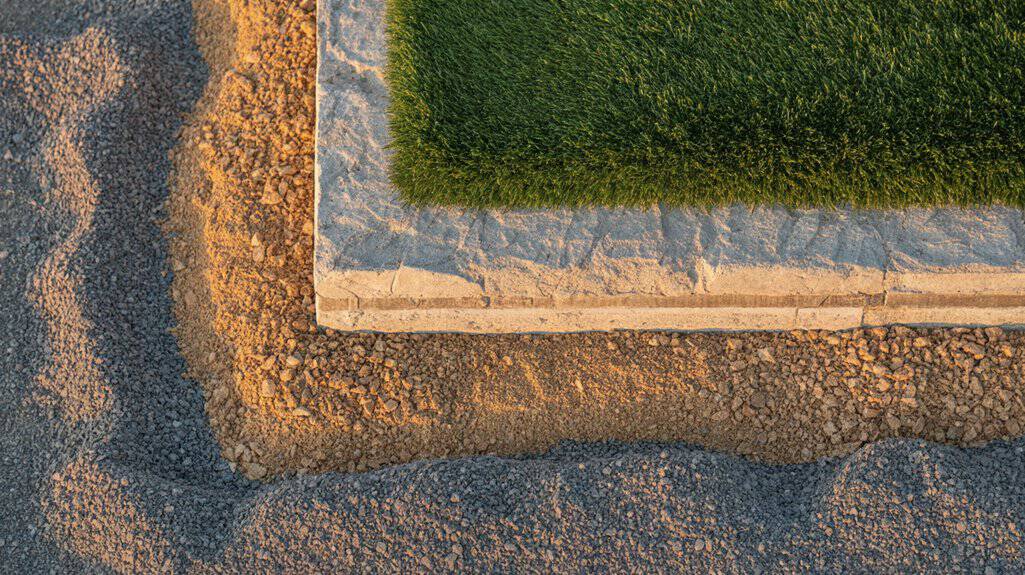
Open-graded crushed stone, ASTM D448 No. 57, is the right base for artificial turf: angular interlock, vertical drainage, over nonwoven geotextile, compacted to ASTM D1557.
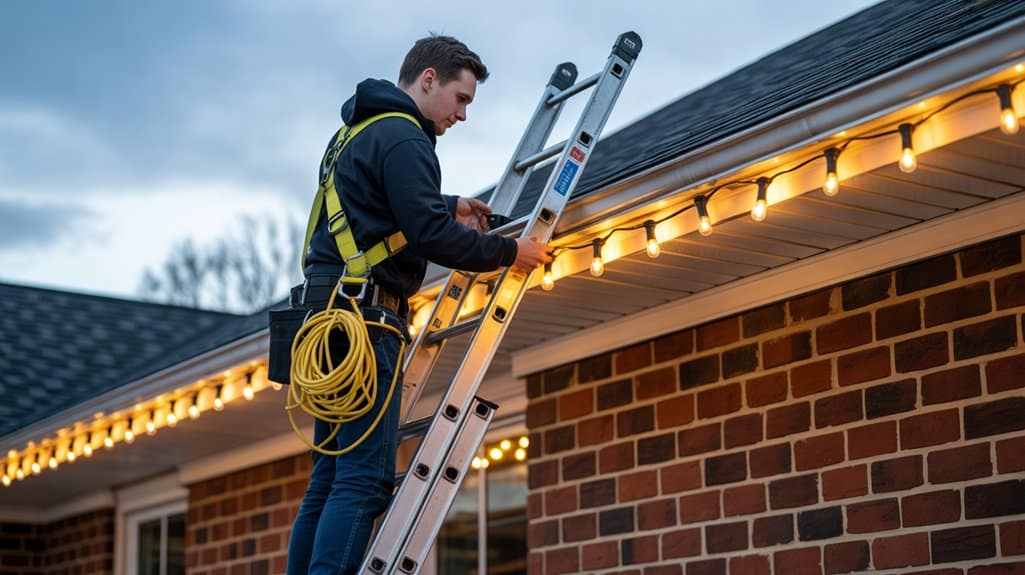
Second-story Christmas lights are installed safely from a secured ladder or roof anchor, clear of power lines, on GFCI circuits, with no chained cords.
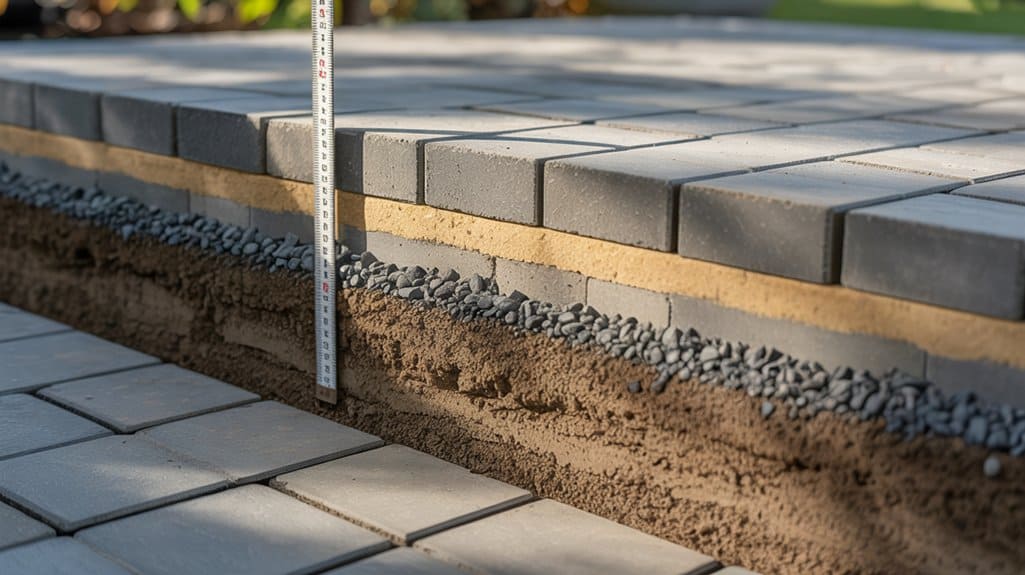
A paver patio has seven layers: compacted subgrade, geotextile on weak soil, 4 or more inches of aggregate base, 1 inch of bedding sand, pavers, joint sand.
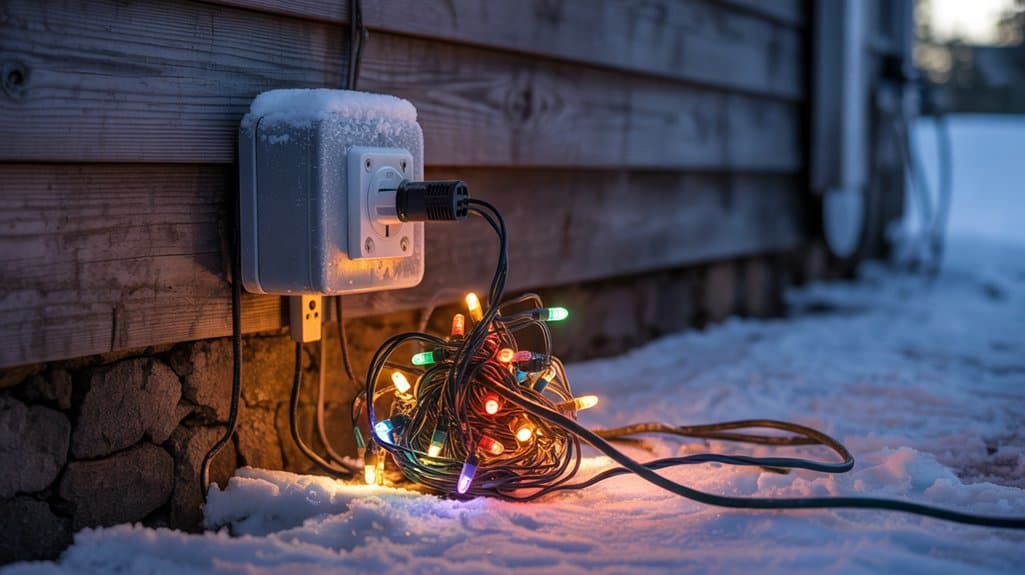
Count watts, not bulbs: sum each run’s nameplate wattage against what a 15 or 20 amp exterior circuit has left after other loads, and honor chain limits.
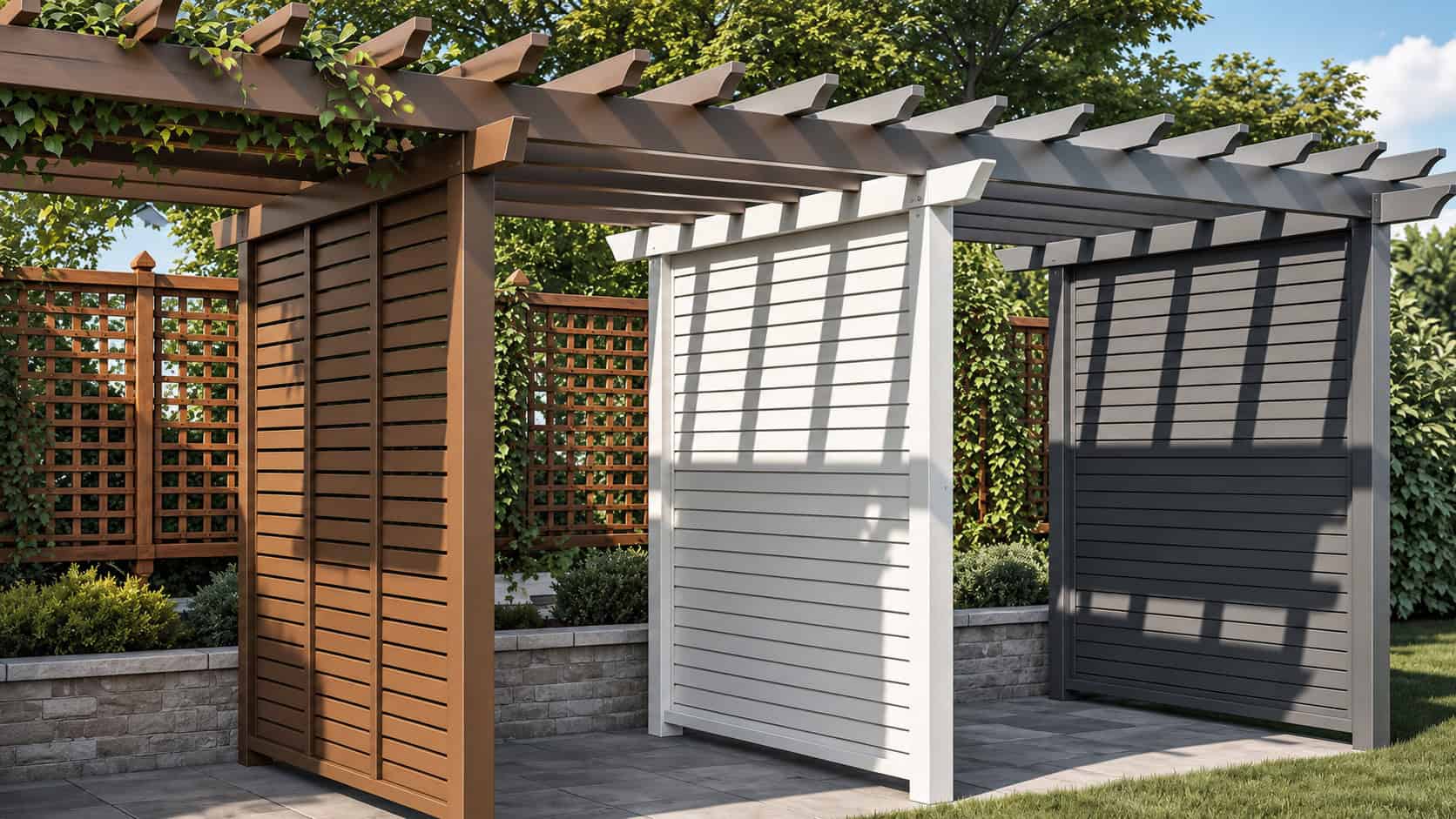
Aluminum pergolas span farther and skip rot and refinishing, wood offers natural grain with recurring upkeep, and vinyl resists rot but sags on long spans.
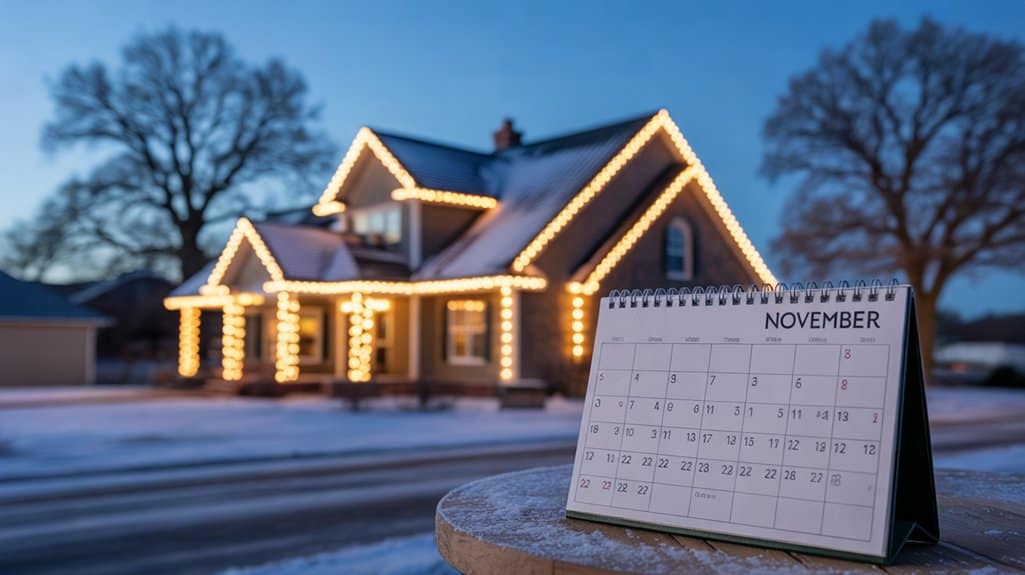
Put Christmas lights up before the first hard freeze and take them down within the 90-day temporary-use window. HOA rules may shorten that period.