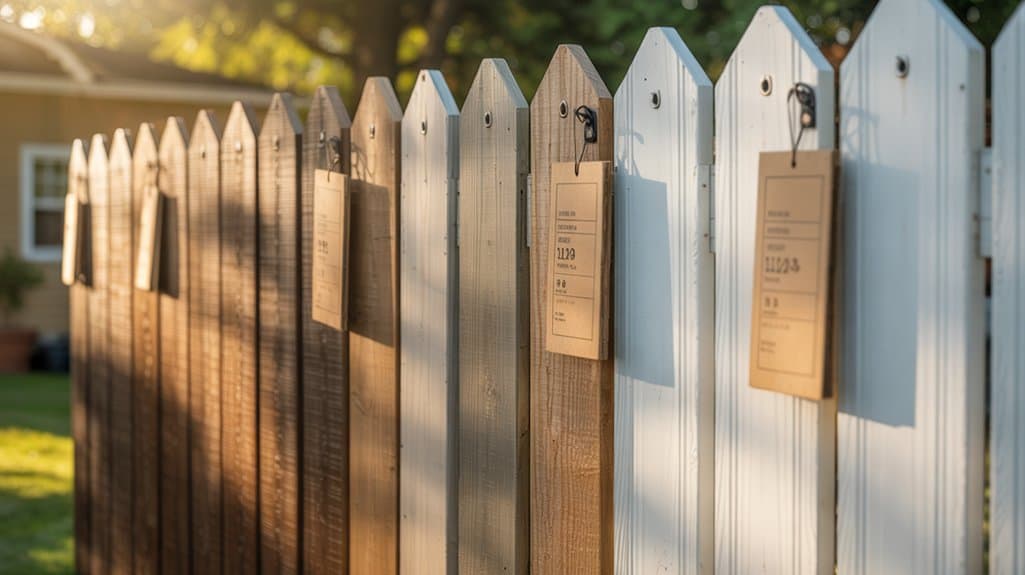
How Does the Cost of Composite Fencing Compare to Wood or Vinyl Fencing?
Composite fencing costs more to buy than wood and less to keep: the price difference comes from engineered extrusions, expansion gaps, and the maintenance wood needs.

Composite fencing costs more to buy than wood and less to keep: the price difference comes from engineered extrusions, expansion gaps, and the maintenance wood needs.
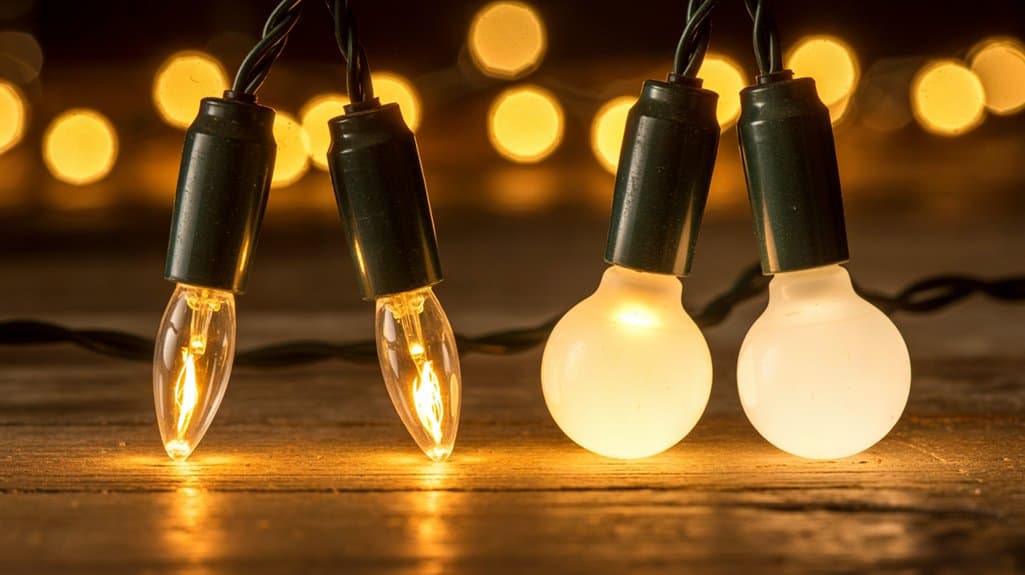
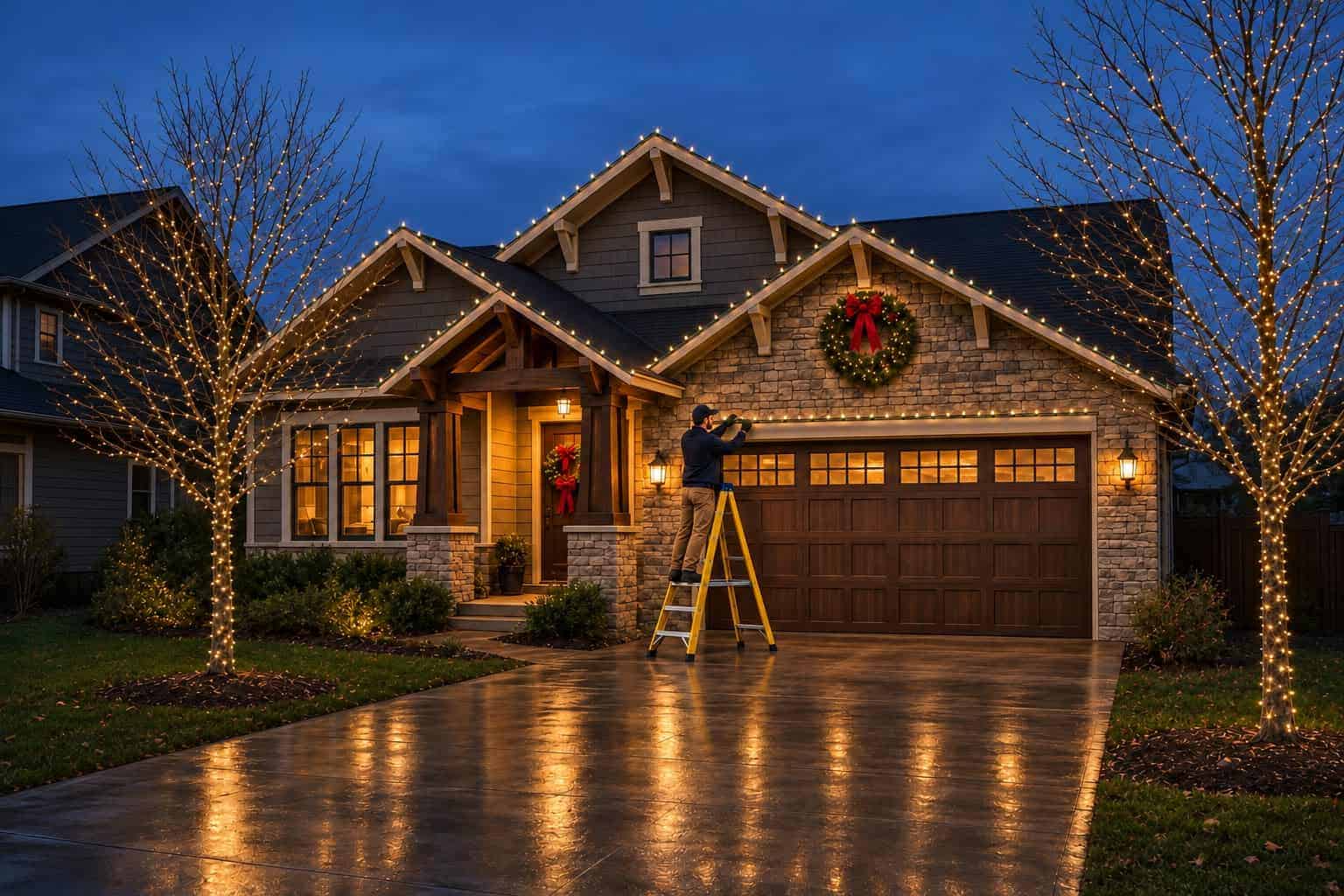
LED Christmas lights draw a fraction of incandescent power and run cool. Choose 2200 to 2700 K warm white to match the incandescent glow on a roofline.

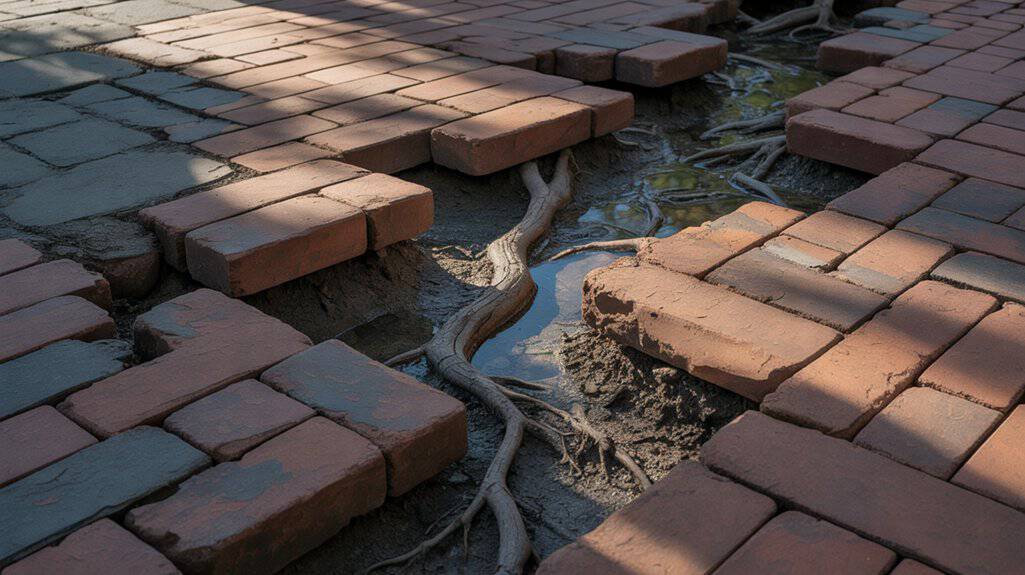
Pavers sink when fill or base was never compacted, bedding sand is too thick, or water washes out the base. They lift when frost heaves wet, silty soil.

C7 bulbs are seven-eighths of an inch wide with a candelabra base. C9 bulbs are 1 1/8 inches wide with an intermediate base and suit rooflines and tall homes.

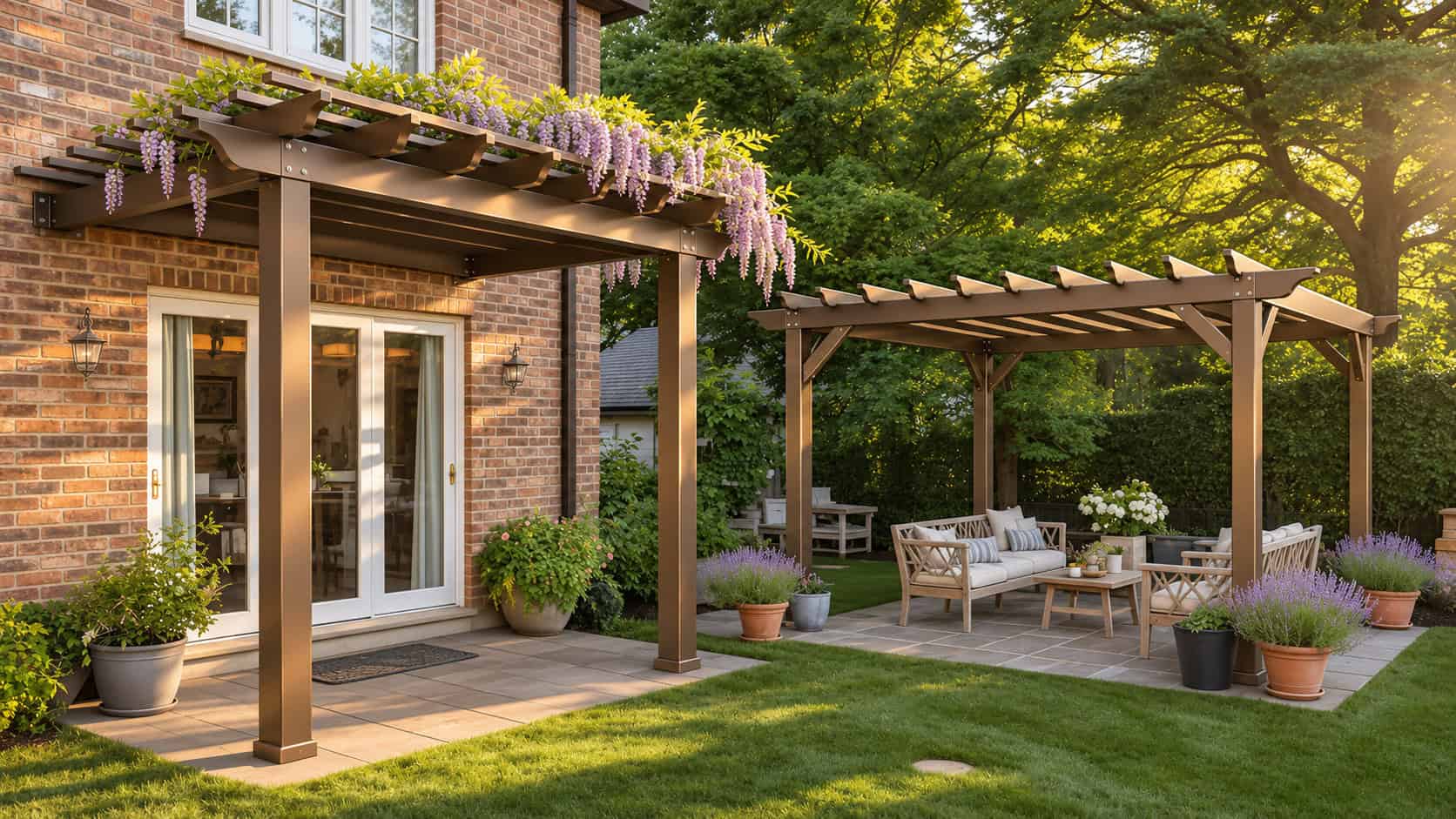
An attached pergola borrows the house for support but needs a ledger and flashing. A freestanding one needs four footings and its own lateral bracing.

Professional Christmas light installation covers a site survey, product and load planning, clip-based install, a dusk test, in-season service, and removal.

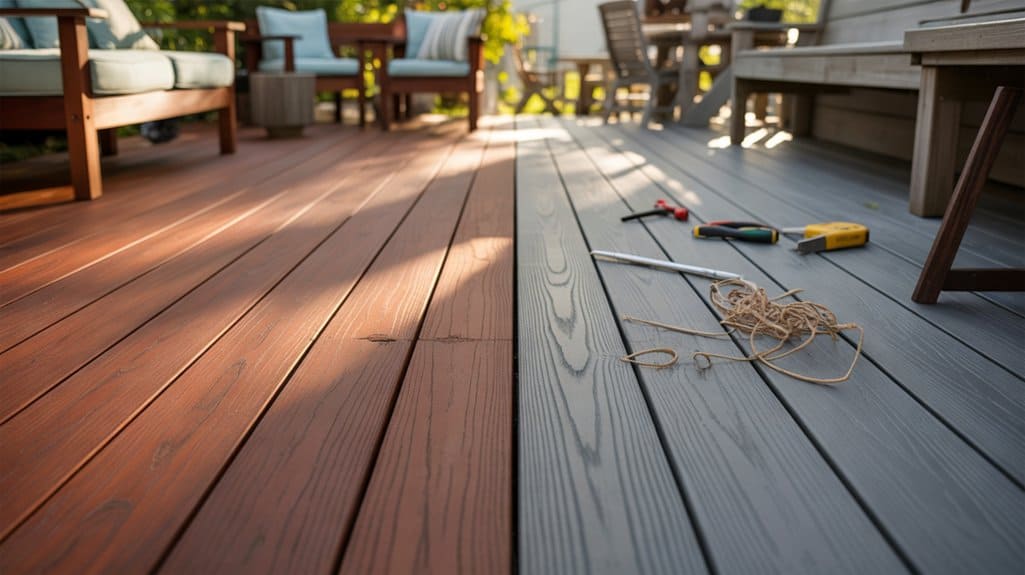
Neither composite nor wood decking wins outright: composite drops the stain-and-seal cycle and resists rot; wood costs less to buy, runs cooler, and can be refinished.

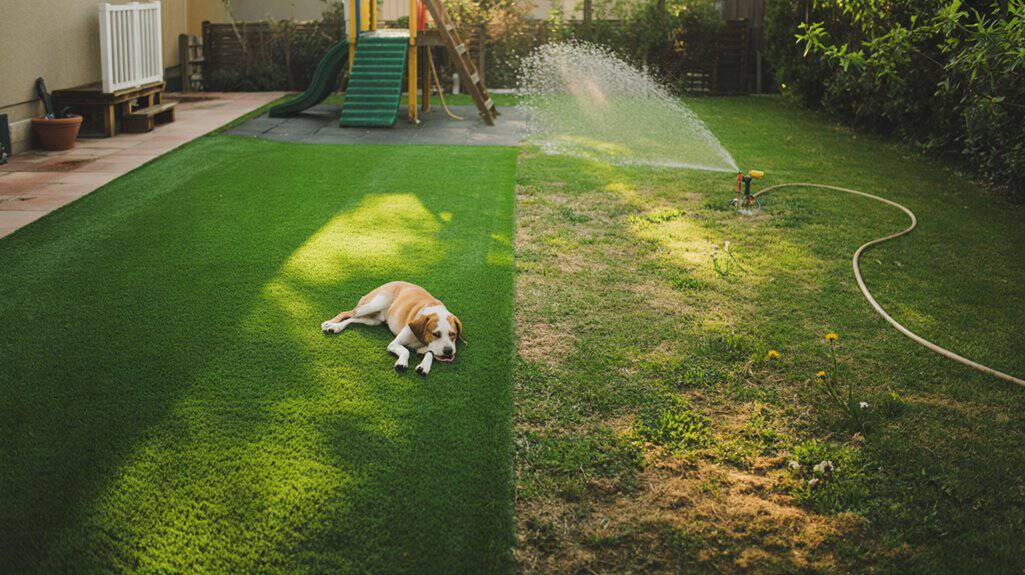
Artificial grass ends mowing, watering and lawn chemicals and stays usable in shade and heavy use; it runs hot in sun, wears out, and is hard to recycle.

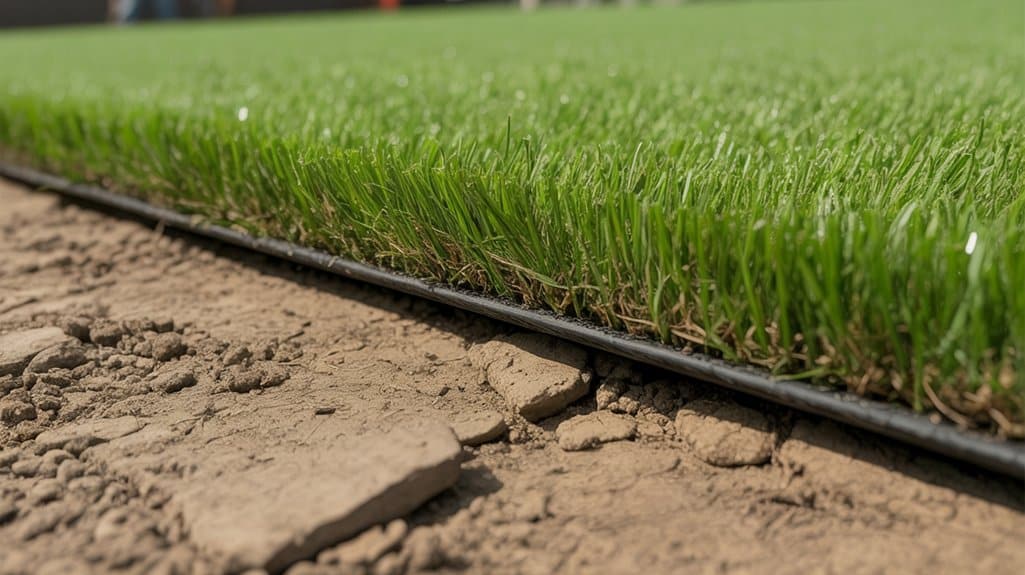
Artificial turf should not go directly over dirt. Native soil settles, drains poorly, and heaves; a compacted aggregate base over geotextile carries the load.

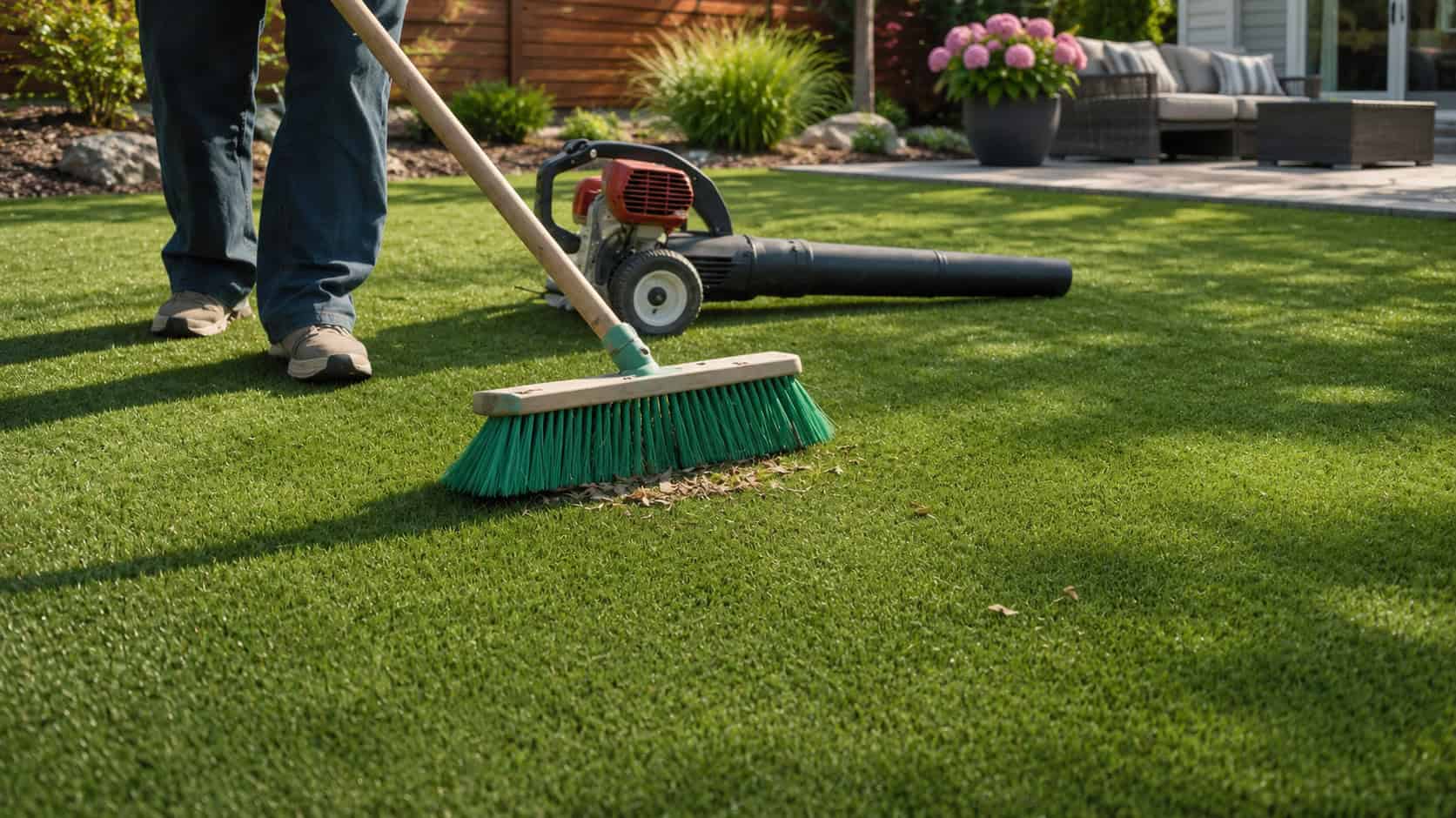
Artificial turf needs four recurring tasks: debris removal, periodic rinsing, cross-brushing to redistribute infill, and seasonal checks of seams and edges.