
Composite Deck Installation
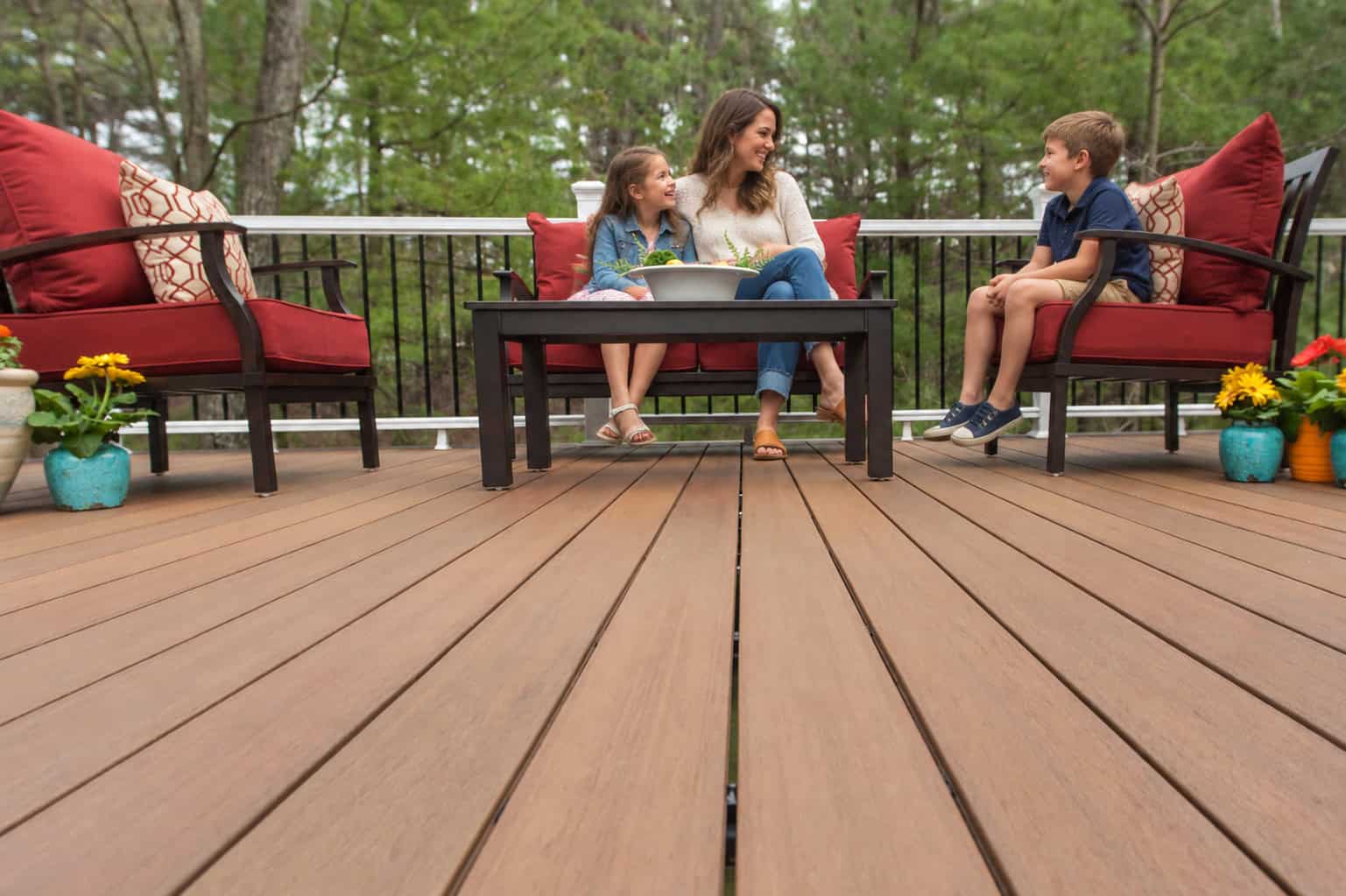
Co-extruded wood plastic composite decking in black, brown or gray. The grain and warmth of a timber deck, without the sanding, staining and sealing cycle.
A Deck That Extends the House Into the Yard
A deck is the room where indoor life steps outside: the morning coffee spot, the grill station, the place guests gather at dusk. Backyard Paradiso builds decks in co-extruded composite because it carries the grain and warmth of wood while removing the sanding, staining and board replacement that turn a timber deck into a recurring project.
Every deck is planned to the house and the lot: the height off grade, the way steps meet the lawn, where shade falls in the afternoon and how the surface ties into the patio and planting beds. The result reads as part of the architecture rather than an addition bolted to it.
Decks sit within the outdoor structures category alongside pergolas, fencing and glass railings, and board selection, framing and footings are covered in depth in the composite decking guide.
Decks Built Around How the Yard Is Used

A deck works hardest when it is sized for the way a household actually lives outdoors. A quiet landing off the kitchen, a dining platform with room for a full table, a multi-level layout that steps down a sloped lot: each starts with how the space will be used and where it sits relative to the house, the sun and the rest of the yard.
Composite boards keep that space ready to use. There is no seasonal refinishing to schedule, and the surface holds its appearance with routine cleaning, so the deck stays a place to spend time rather than a place to maintain.
The photos on this page are representations of what professionally installed composite decking can look like, but the truest picture is one designed for your own backyard. Request a quote to see what fits your space.

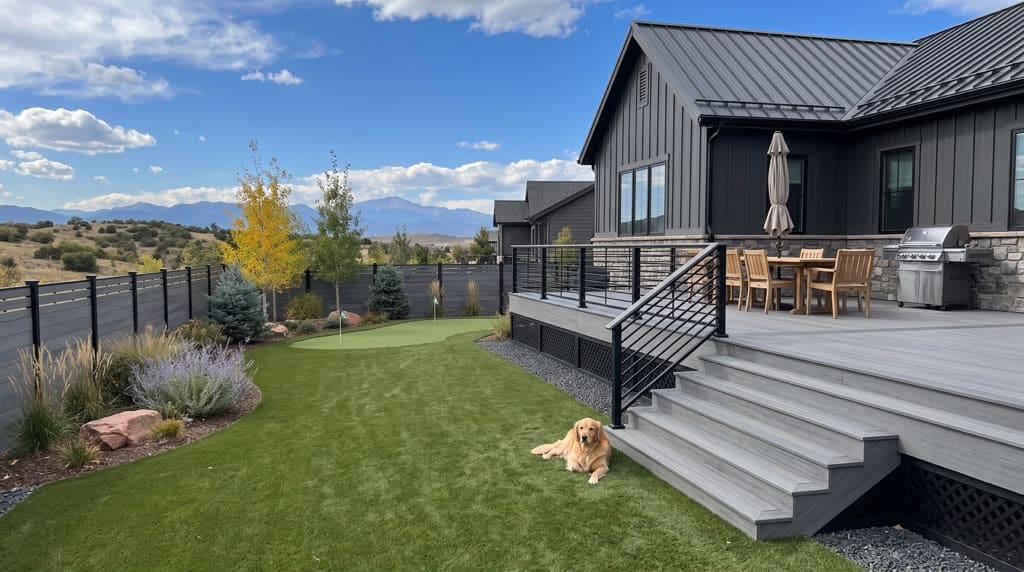


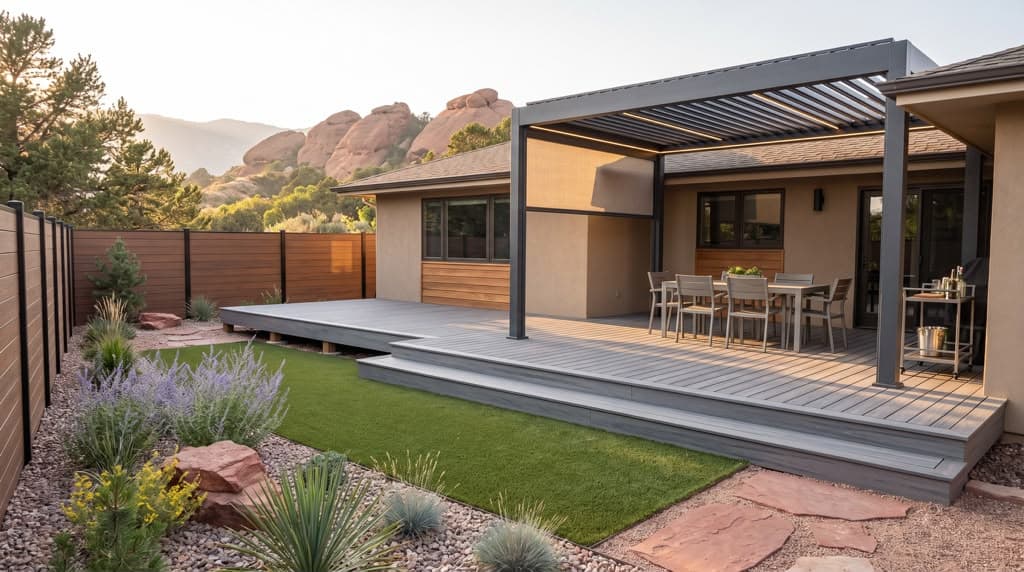


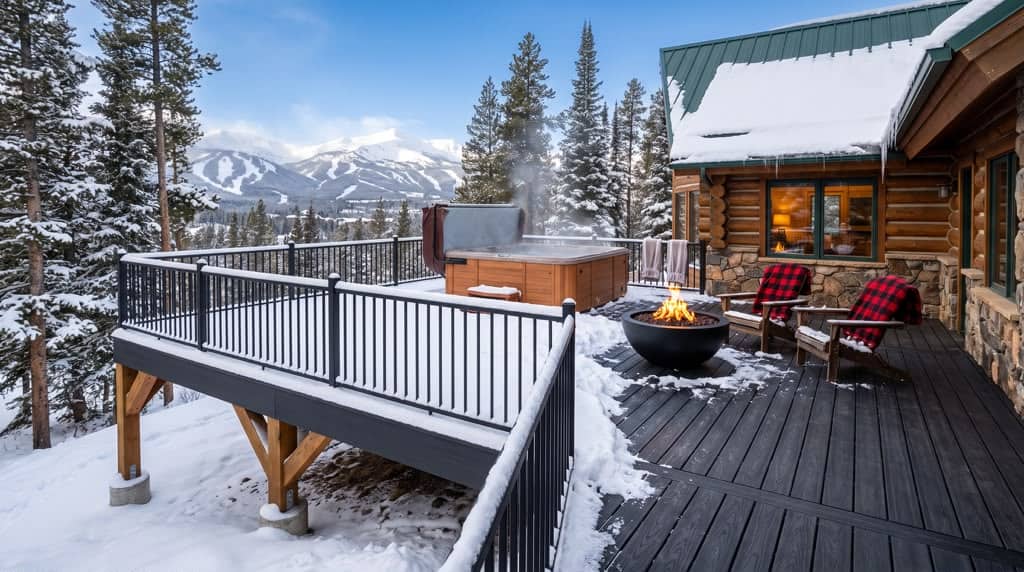


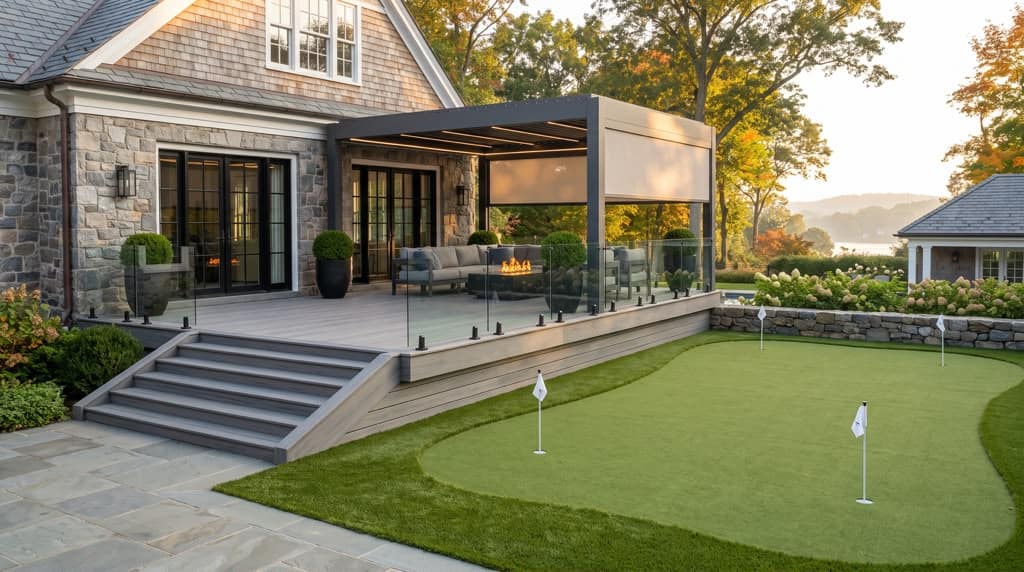
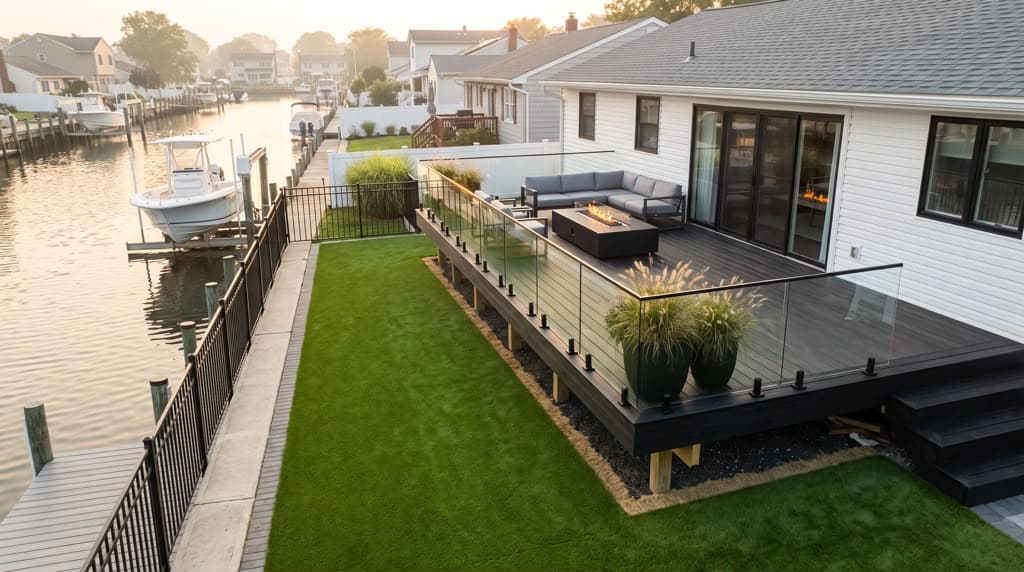

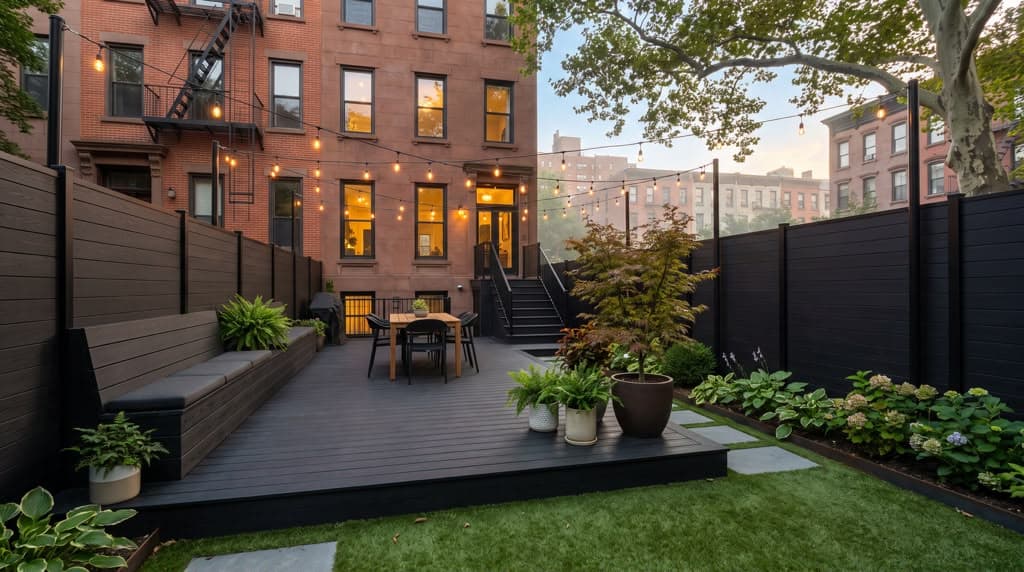


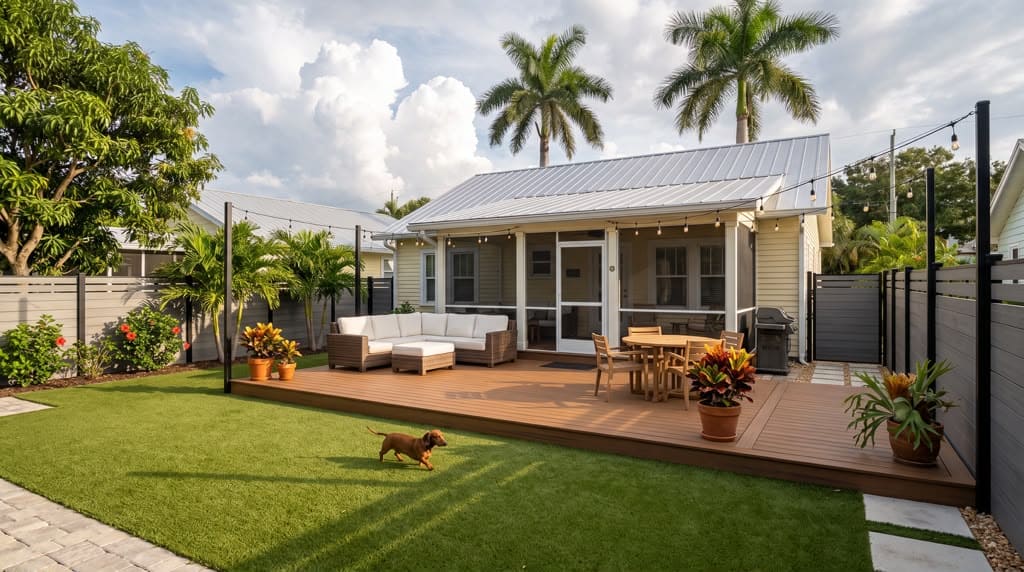


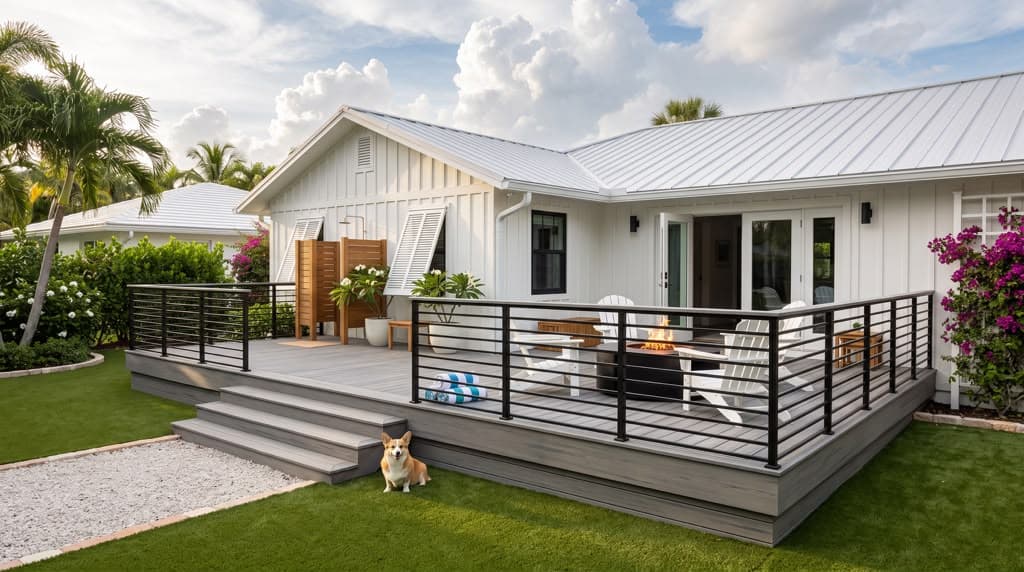
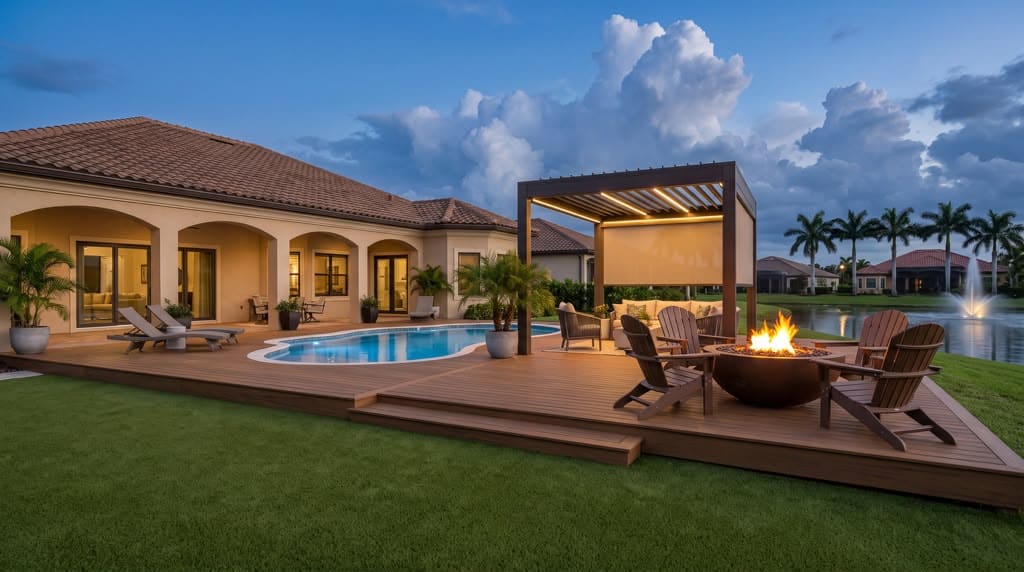

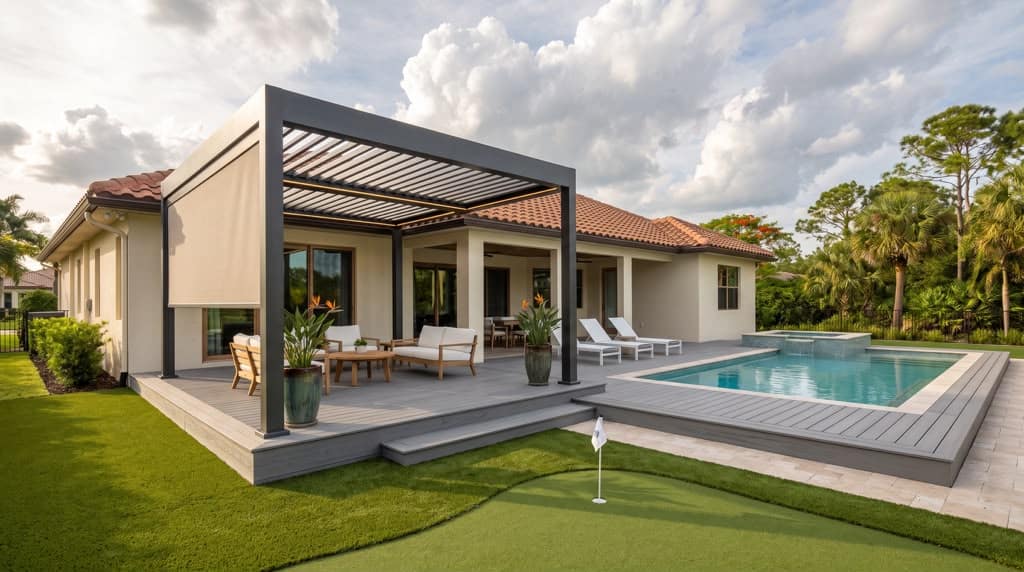


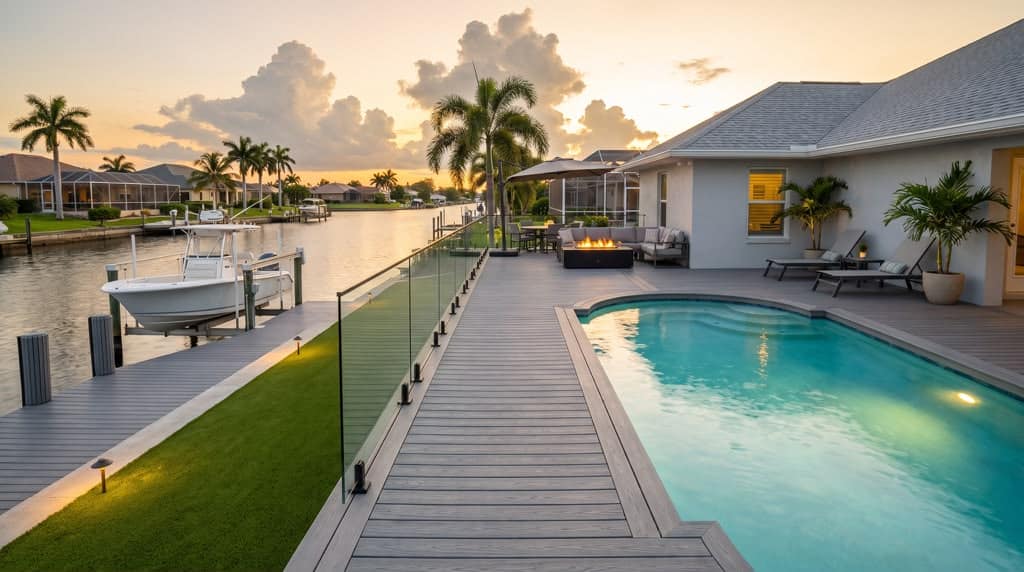
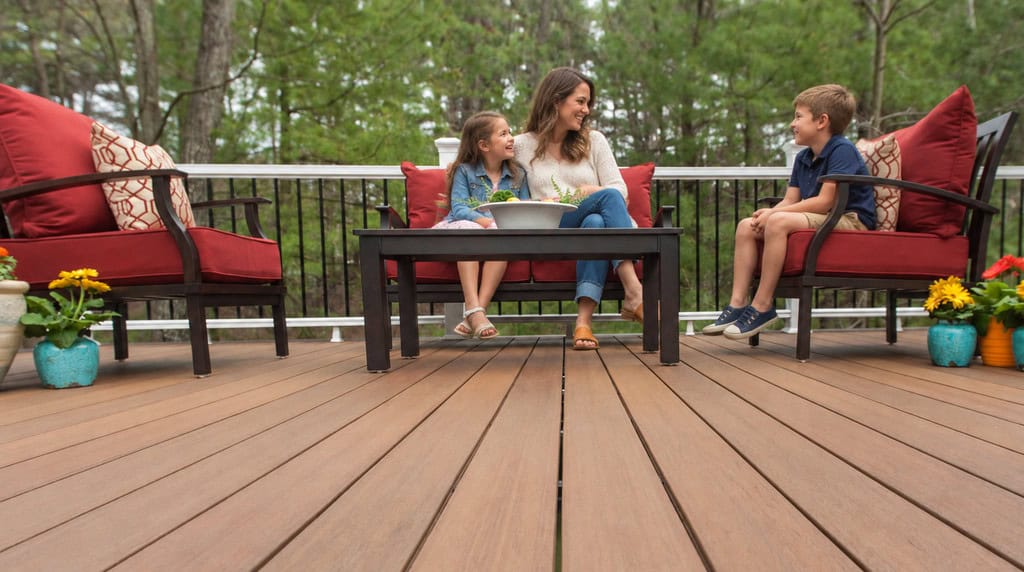


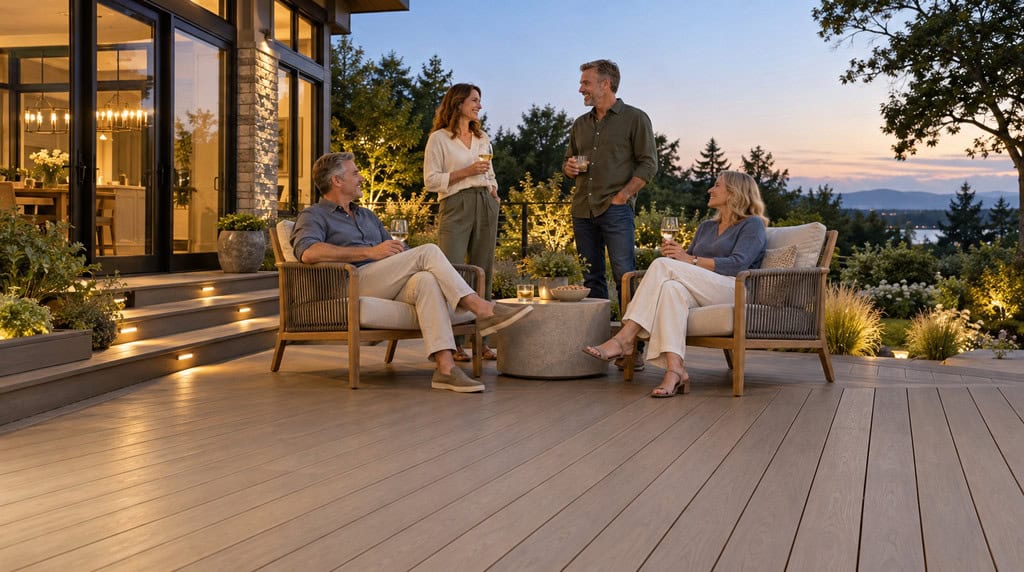


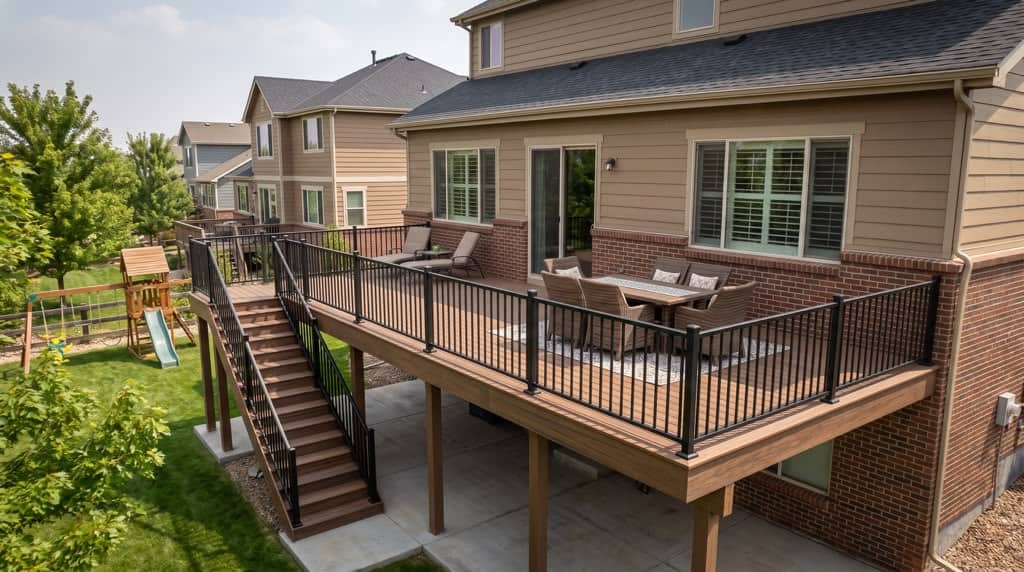


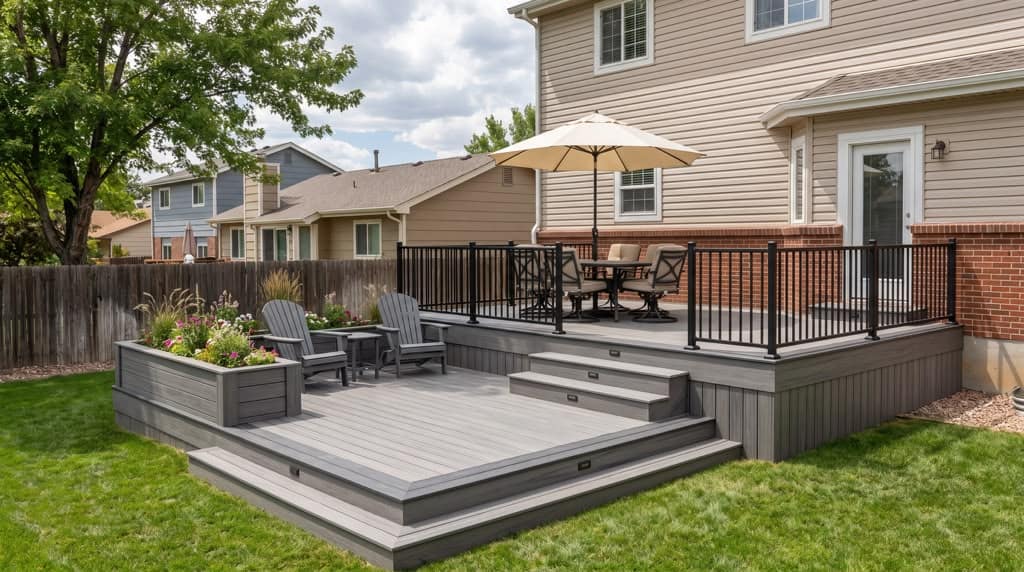

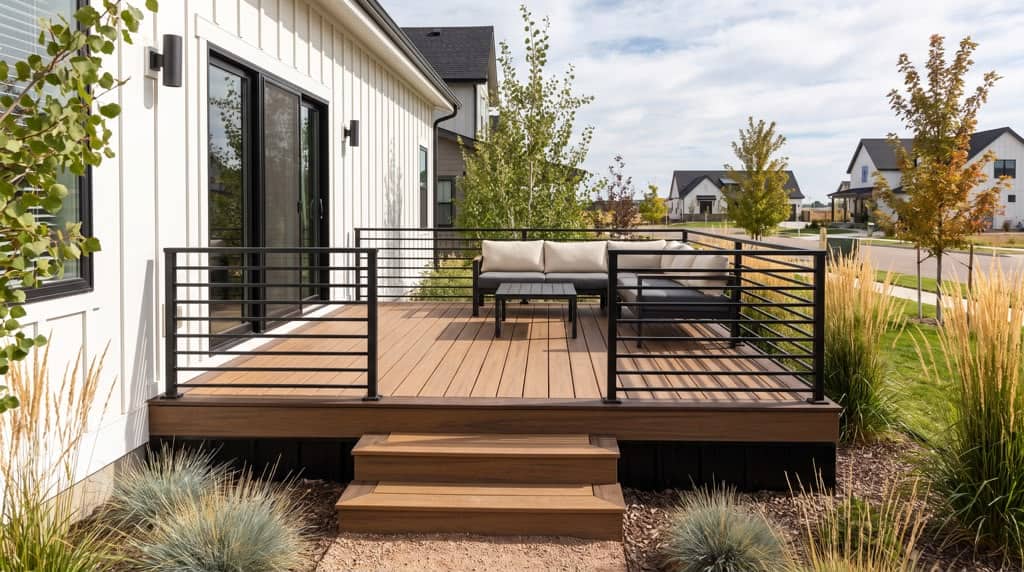

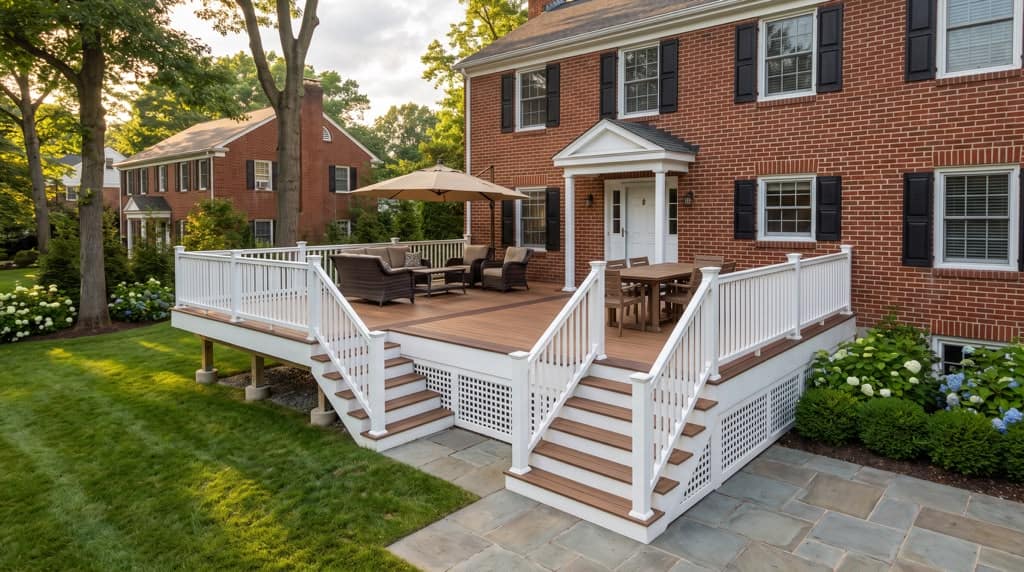
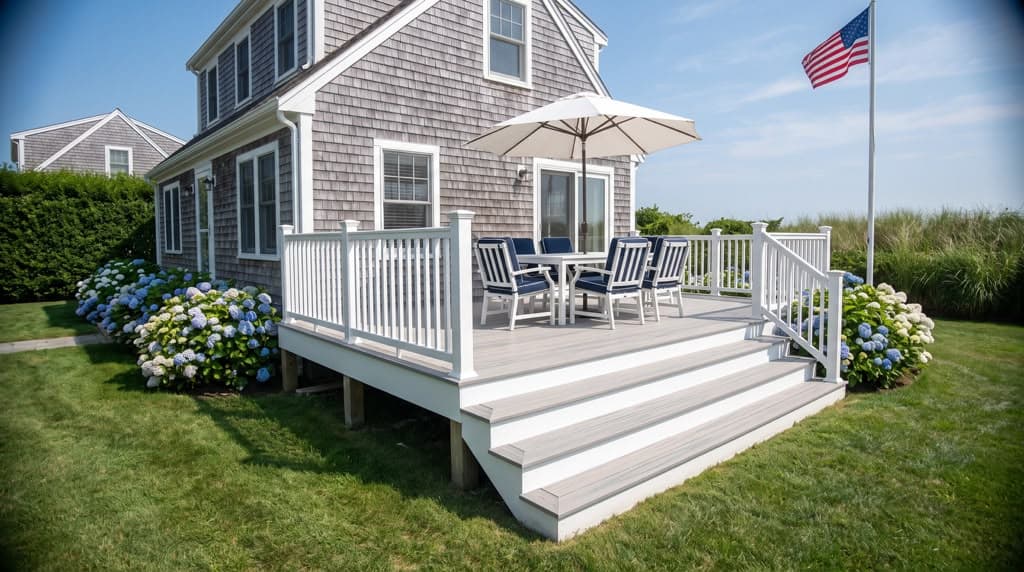


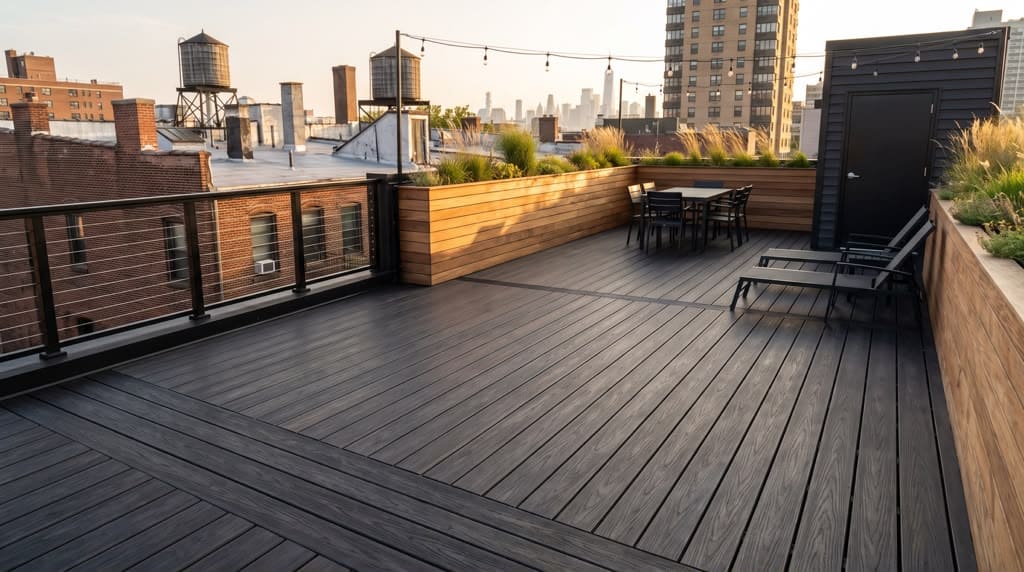


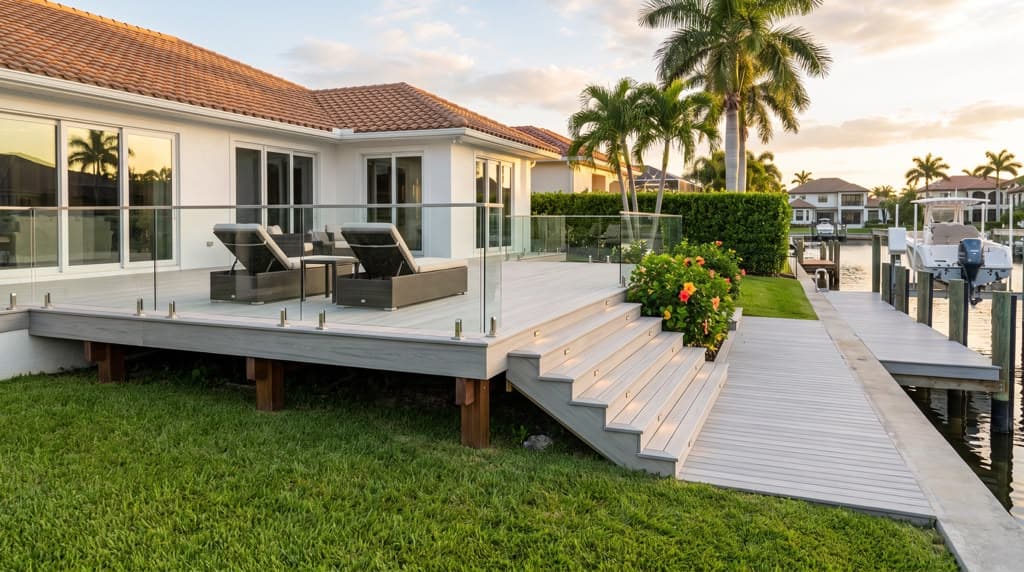

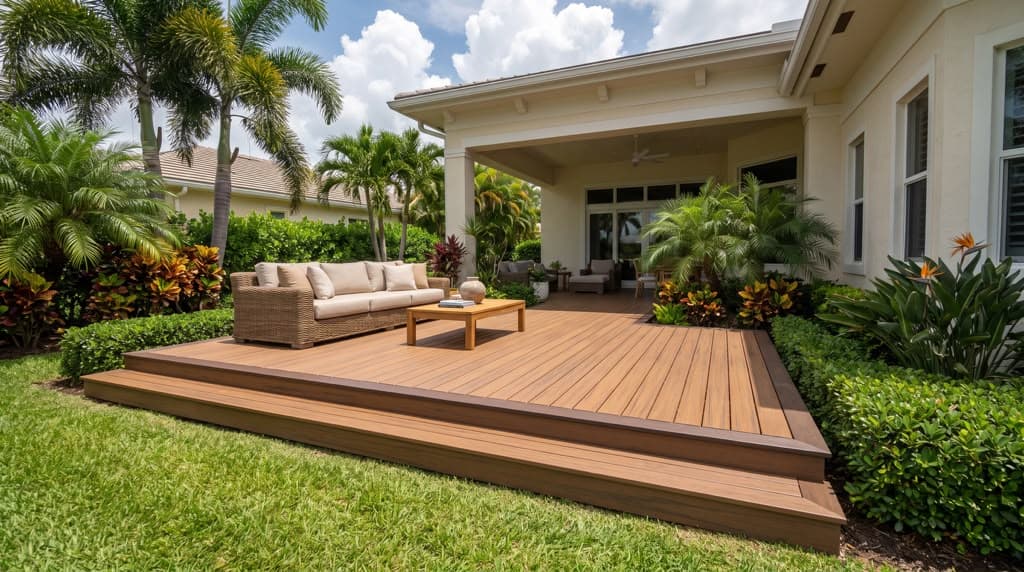
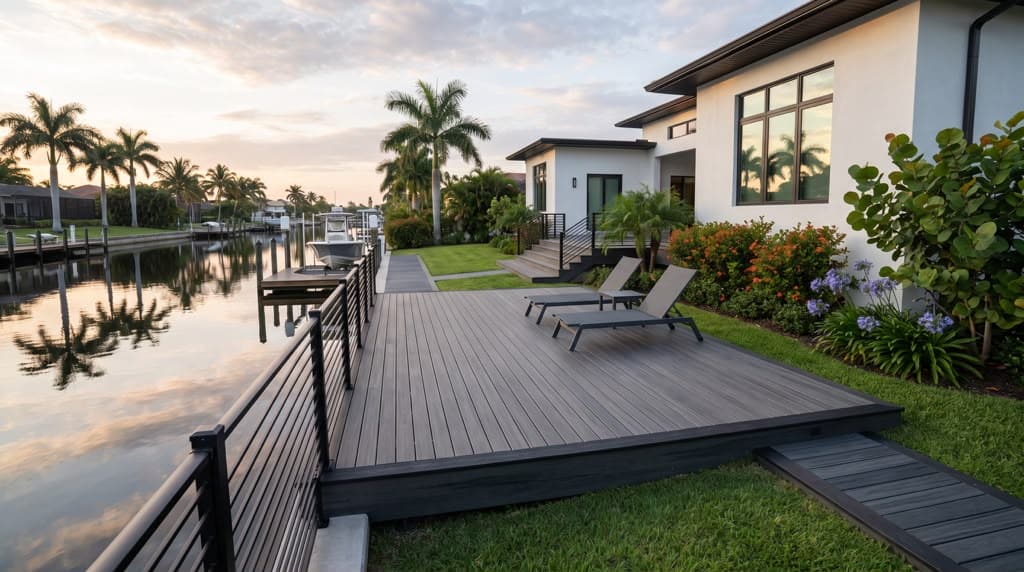

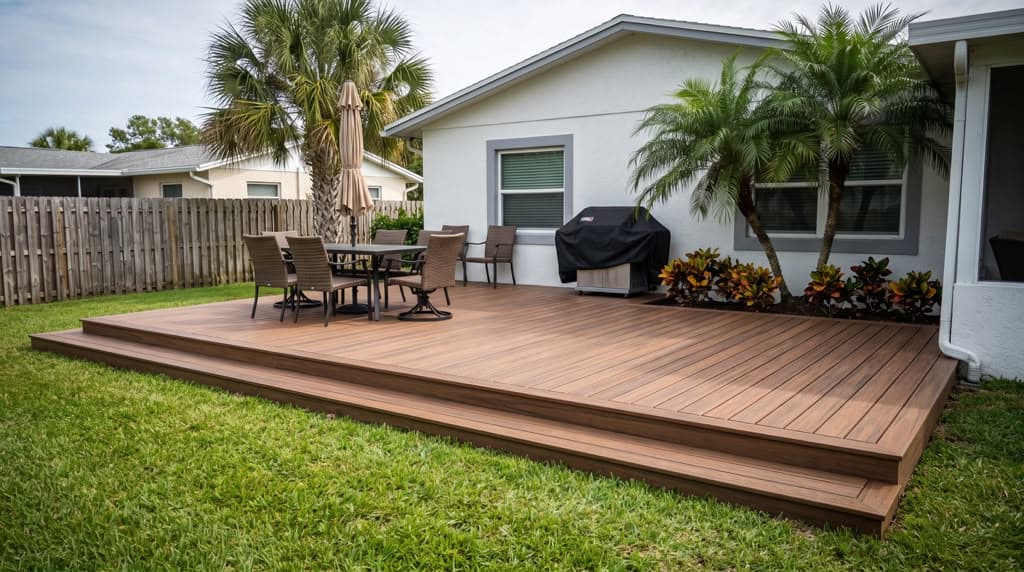
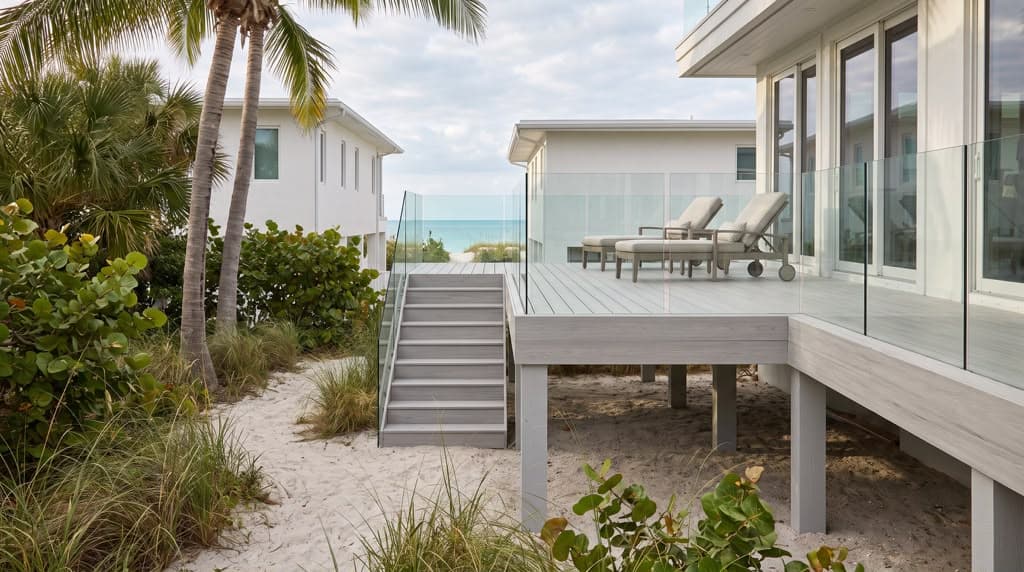
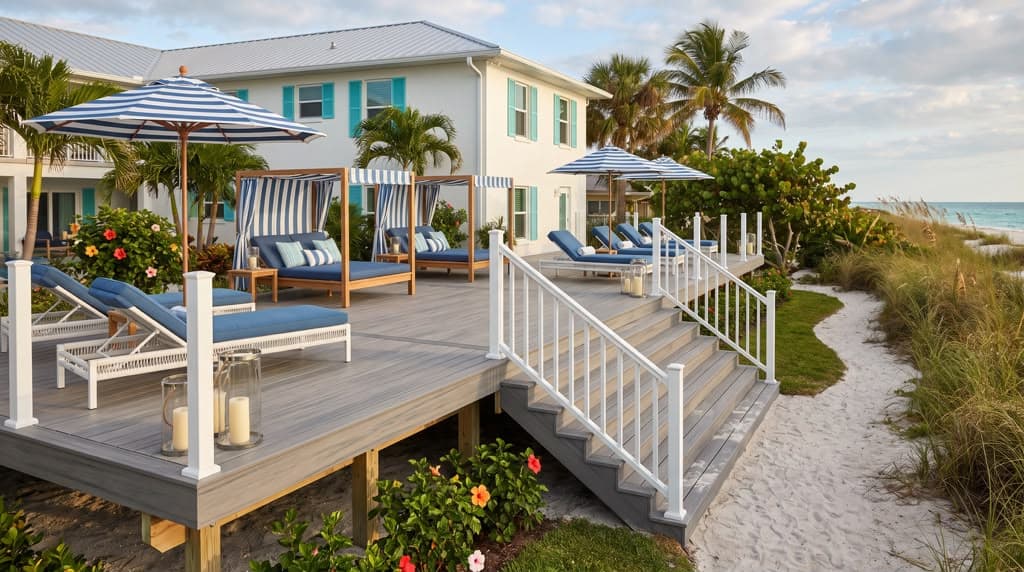

Tap any photo to enlarge it, or swipe and use the arrows to see more.
Commercial Decks
Backyard Paradiso also builds composite decks for commercial properties, including restaurant patios, brewery and cafe seating, waterfront dining and resort pool decks.


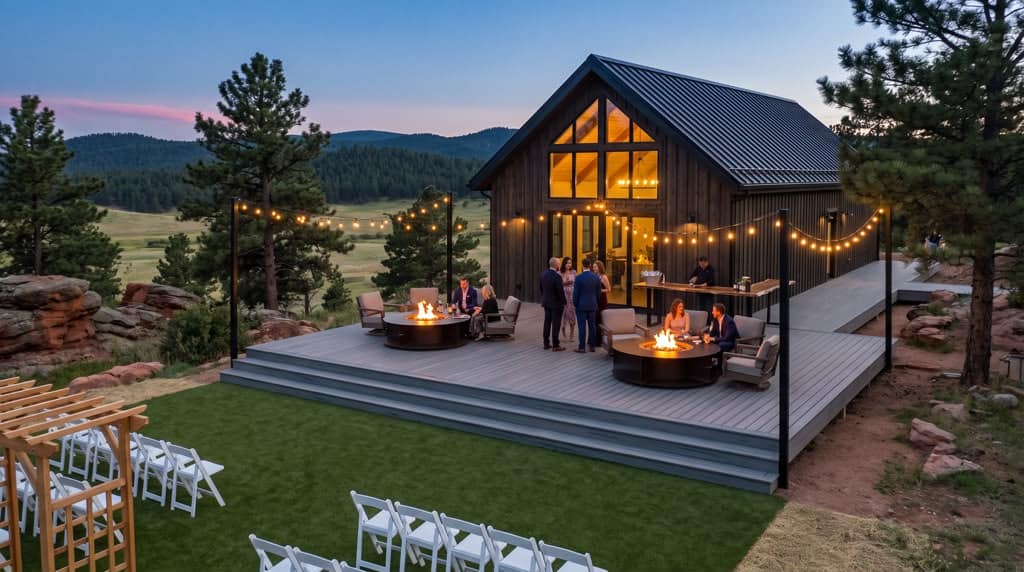


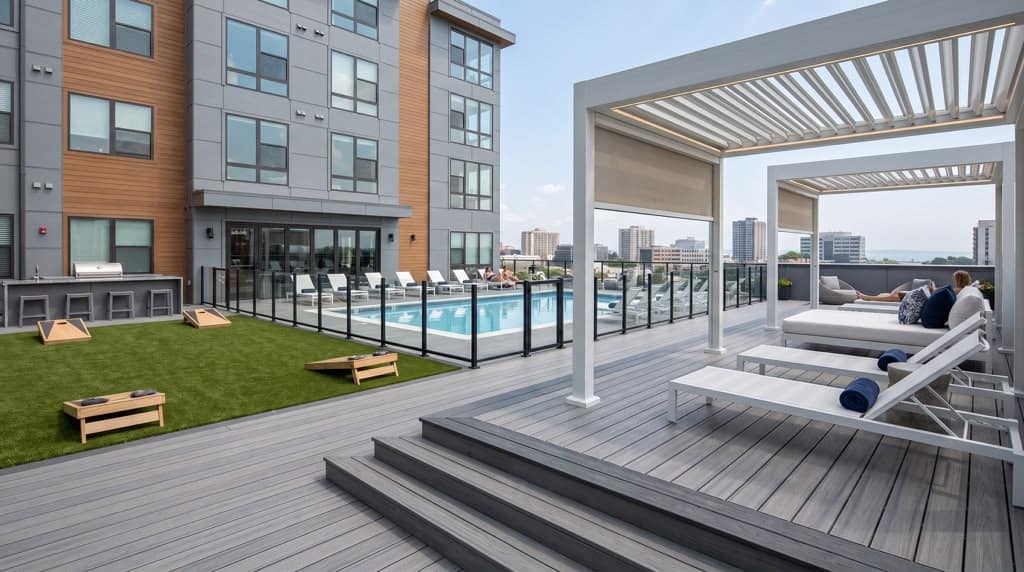
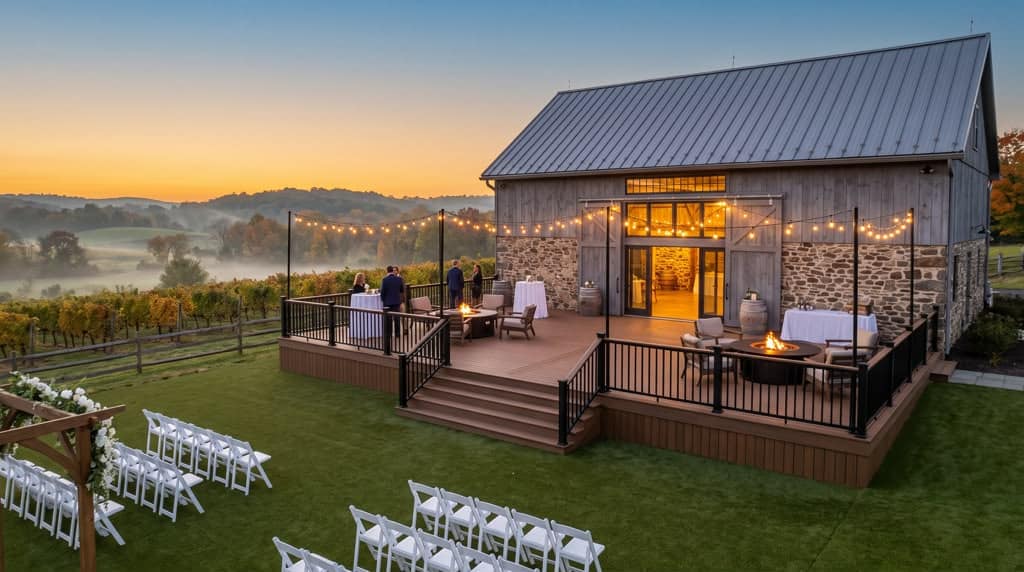


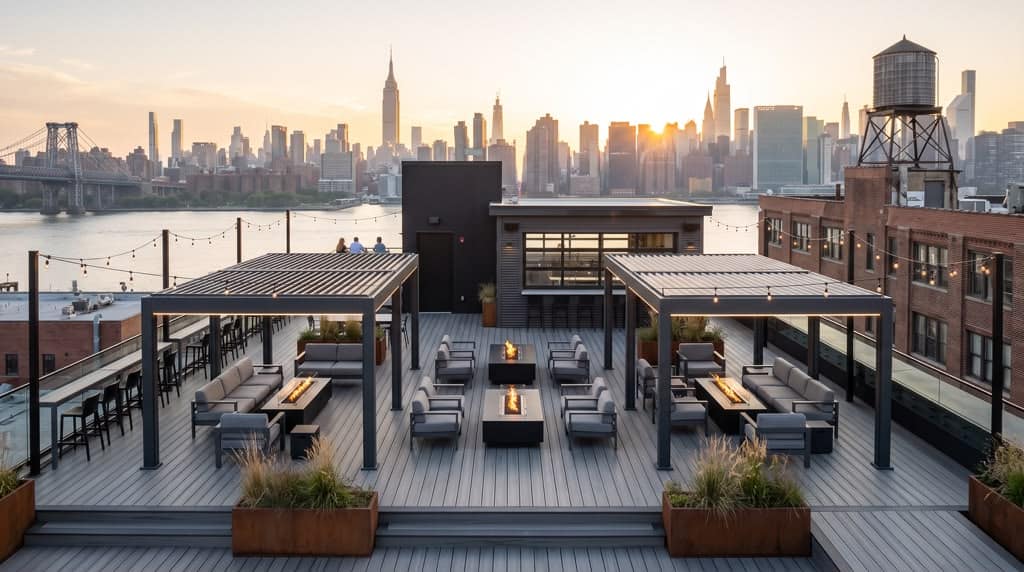
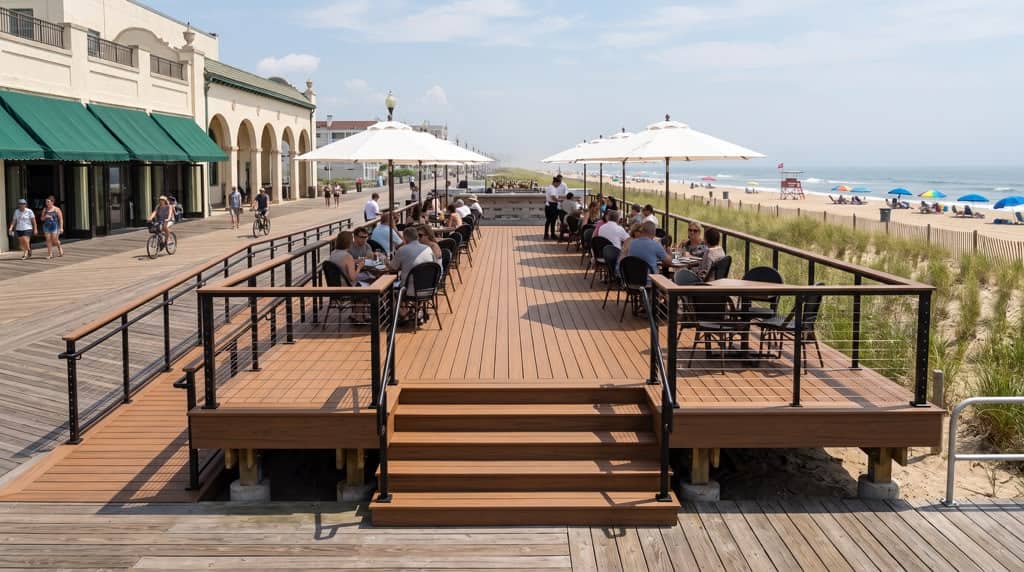

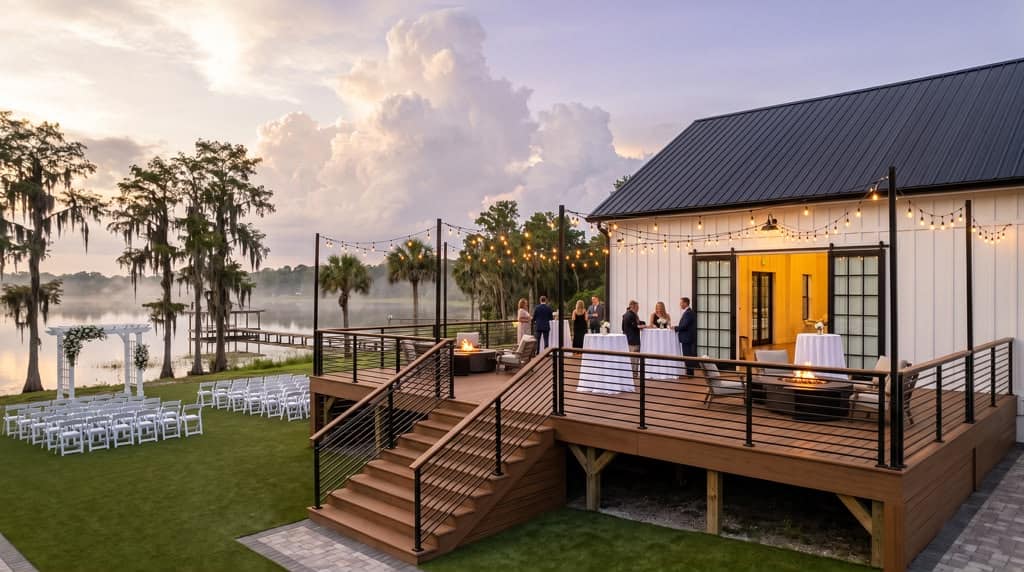


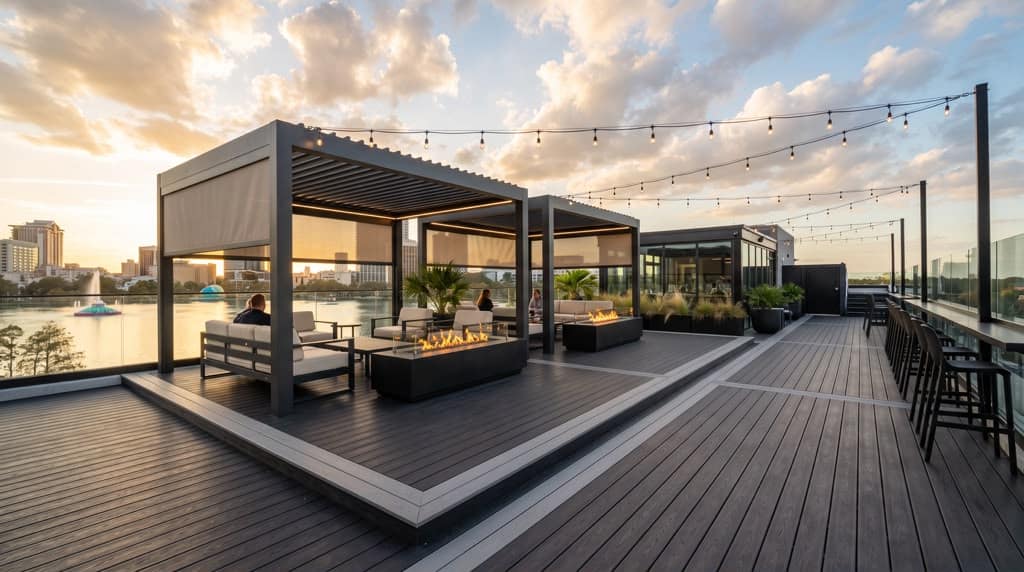


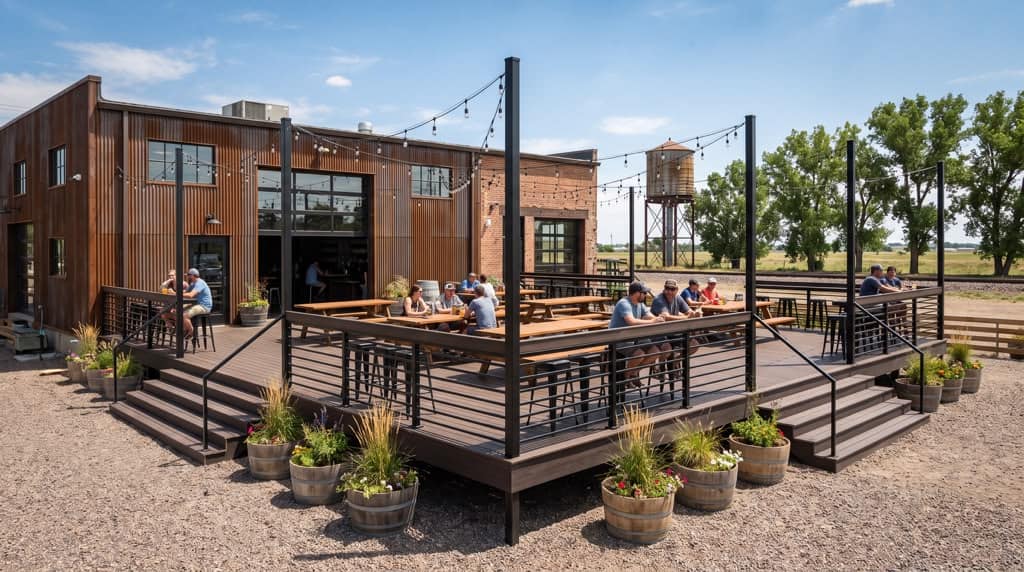


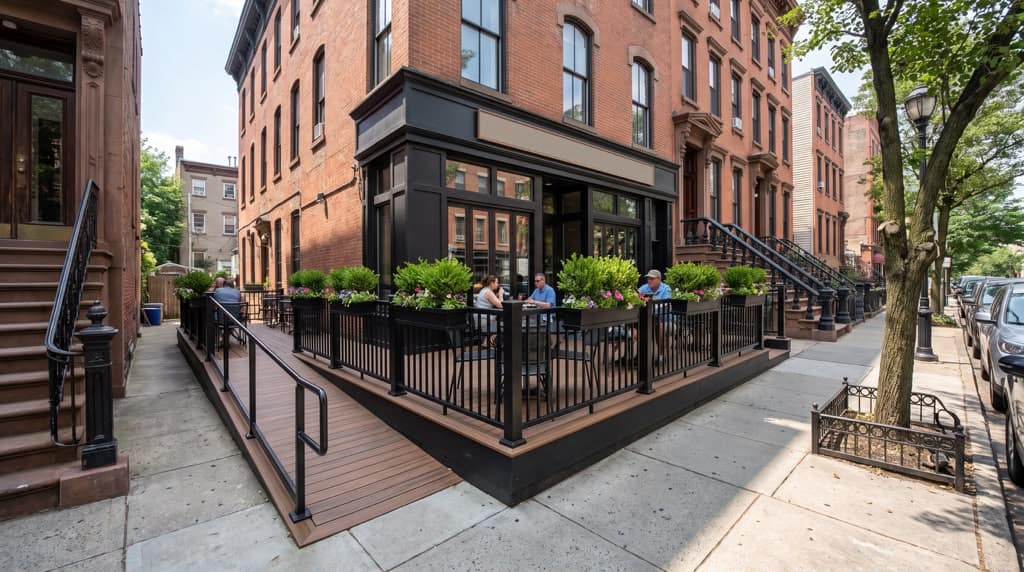

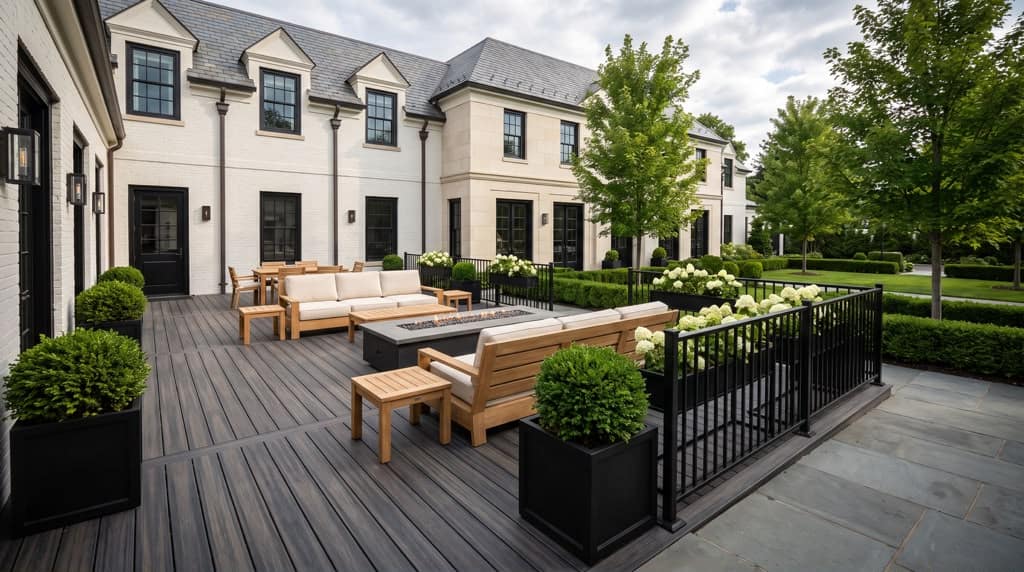

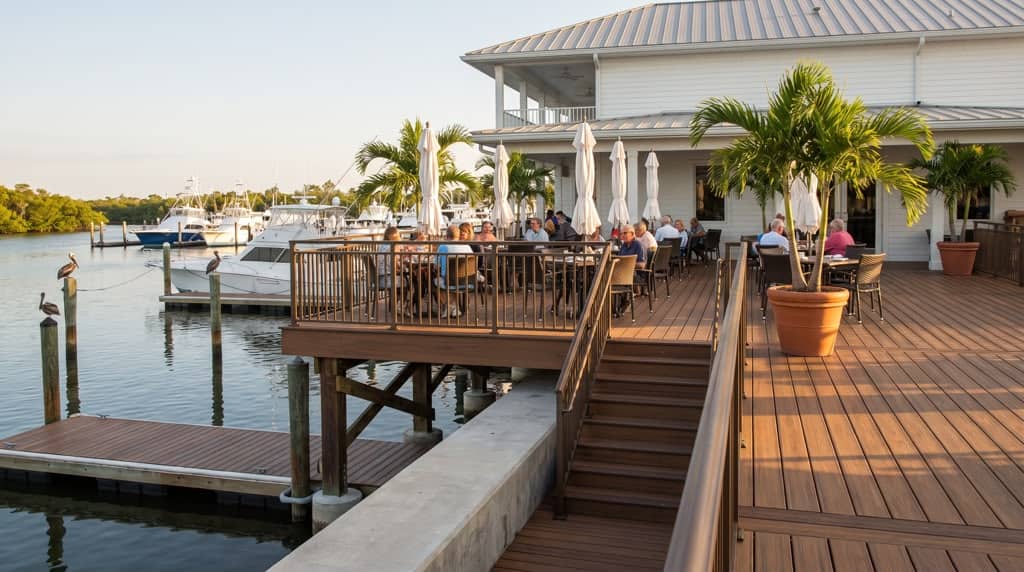
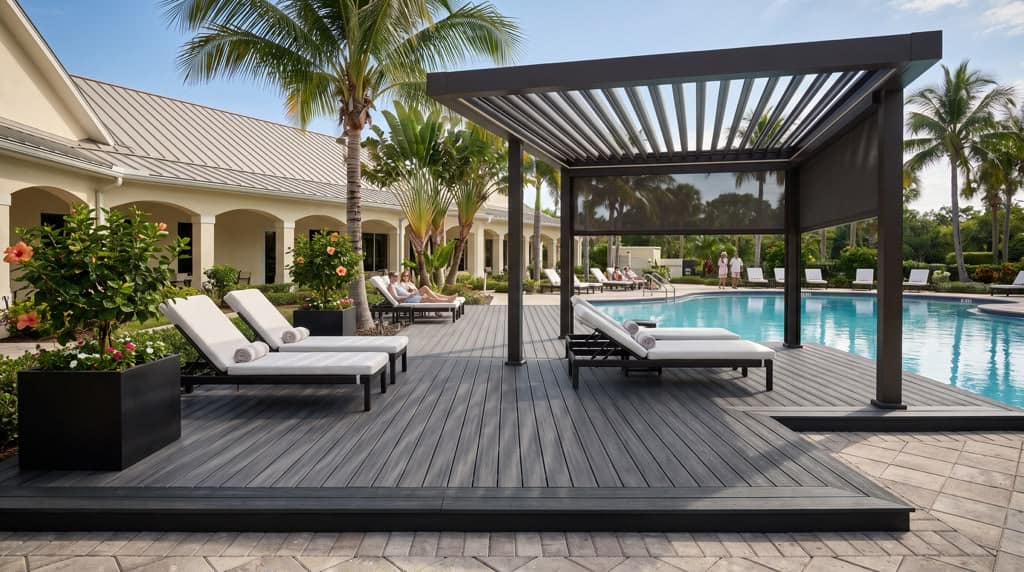

Tap any photo to enlarge it, or swipe and use the arrows to see more.
What Is Built In, and What It Means at Home
Composite decking earns its place through details that matter most after a few seasons of sun, rain and foot traffic.
The Look of Wood, Without the Upkeep
An engineered wood grain carries the texture and tone of natural timber.
At home, that means a warm, natural-looking surface without splinters, raised grain or the slow graying of untreated lumber.
Low-Maintenance by Design
A capped composite surface resists staining, mildew and moisture.
Routine care is a wash with water and mild soap, so time outdoors goes to using the deck rather than tending it.
Built for Longevity
Co-extruded boards are designed to resist rot, insects and surface wear.
Long-term performance depends on the product, the framing beneath it and the conditions at the property, which is why substructure is specified as carefully as the boards.
No Painting, Staining or Sealing
Sanding, staining and sealing are not part of the care routine.
The seasonal refinishing cycle that wood decks demand simply drops off the calendar.
Black, Brown or Gray, Each With Wood Grain
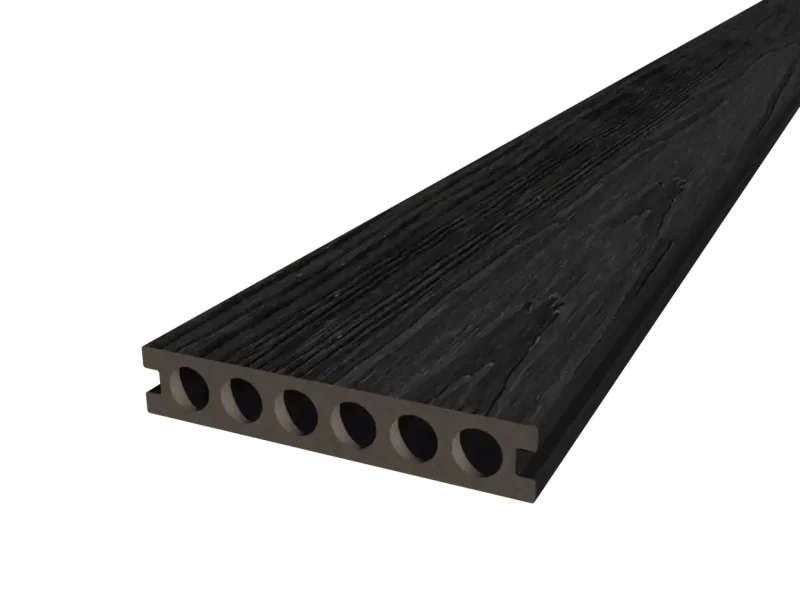
Black
Contemporary and graphic. Pairs well with aluminum structures and glass railings.
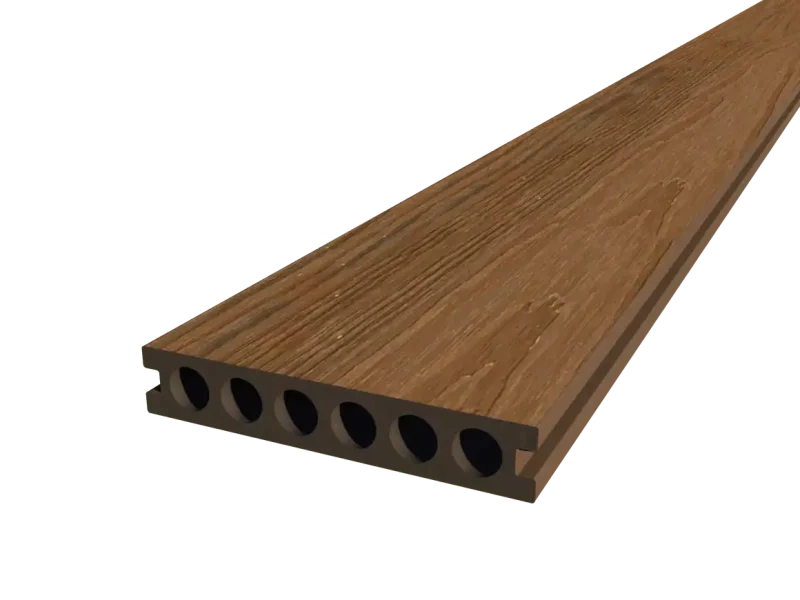
Brown
The warmest of the three and the closest to natural timber.
Gray
Neutral and adaptable, between traditional and modern. A quiet base for furniture and planting.
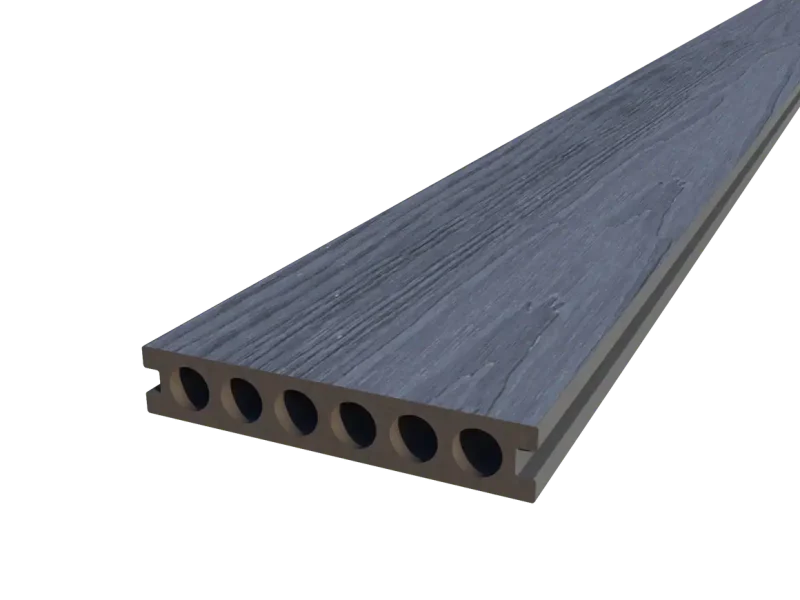
Board photographs are illustrative, since screens and cameras shift color. Physical samples are the reliable way to choose. Darker colors run warmer in direct sun.
What Is Wood Plastic Composite?
A Blend of Wood and Polymer
Wood plastic composite combines wood fibers with polymer resins. The result carries the look and texture of timber while resisting the rot, insects and moisture that shorten the life of a wood deck.
Why the Shell Matters
In a co-extruded board, the composite core is encased in a continuous polymer shell during manufacturing. The shell covers the core evenly, which is what gives the board its resistance to scratches, stains, mildew and weather.
Co-Extruded vs. Mono-Extruded
First-generation mono-extruded boards left wood fiber exposed at the walking surface, where it could absorb water and wear. Co-extrusion closes that surface, and it is the reason current composite decking holds its appearance far longer underfoot.
Boards, Framing and Footings
Board selection, substructure framing, fastener requirements and the footing depths that vary by market are explained in detail in the composite decking guide.
How a Deck Project Unfolds
1. Confirm the Site
Property lines, setbacks, utilities, permits and any association review come first, and all are confirmed before a footing is dug.
2. Design and Specify
Size, height, levels, stairs, railings, board color and framing are set for the house and the lot at the site assessment.
3. Frame and Finish
Footings and framing go in first and are inspected where the jurisdiction requires it, then boards, fascia and railings are installed. Timing depends on the size and complexity of the deck.
Plan the Deck With the Rest of the Yard
The best decks connect to everything around them. An aluminum pergola can shade the dining area, glass railings keep the view open, and landscape lighting carries the space into the evening.
Planned together, these become Complete Outdoor Living Systems: one design and one build rather than a series of separate projects.
Frequently Asked Questions
WPC stands for wood plastic composite, a blend of wood fibers and polymer resins. In a co-extruded board the composite core is wrapped in a polymer shell during manufacturing, giving the look of wood with far less upkeep.
Timing depends on the size of the deck, the number of levels and stairs, site access, footing work and any required inspections. A schedule is set once the site assessment confirms the design and approvals.
A wash with water and mild soap, with a soft brush for stubborn spots, keeps the surface clean. Sanding, staining and sealing are not part of the routine.
Co-extruded boards avoid the splinters associated with weathered lumber and are designed to resist insect damage. Dark colors can become hot in direct sun, which is worth weighing in fully exposed locations.
Yes. Size, shape, levels, stairs, railings and board color are all set for the house and the lot. Final options depend on current availability, the site and local rules.
Capped composite boards are designed to resist fading from sun exposure. Some gradual color change can occur over the first months outdoors, and physical samples are the best way to judge how a color will look on site.
Composite generally costs more to install than pressure-treated wood. The fairer comparison runs over the life of the deck: wood carries a recurring cycle of sanding, staining and board replacement that composite does not, a deck that holds its appearance continues to present well at resale, and seasons not spent on maintenance are seasons spent using the space. A site assessment prices the actual size, layout and finishes.
Co-extruded boards are designed to tolerate rain, snow and summer heat without rotting. Structural requirements such as footing depth and snow load are set by the local building department, and the framing is specified to meet them.
Most decks require a building permit, and many communities also have association review. The two approvals are separate, and both are confirmed for the property before work begins.
A well-built deck adds usable outdoor living area, and a low-maintenance surface continues to present well when a home is listed. Actual resale effect varies by market and property.
Ready to Plan the Deck?
A site assessment covers the layout, the approvals that apply, the look the deck should have and how it will be used. Backyard Paradiso builds composite decks across the markets it serves. Consultations are available by appointment.