
Markets We Serve
Backyard Paradiso designs and installs outdoor living across eight states and twenty-five regional markets. The qualification is the same in every one of them: a homeowner, outdoor space, and the intent to invest in it. Each market page below covers its corridor in depth — the climate and soil that shape the engineering, the codes and review processes that govern it, and the communities it serves — and where a project spans structure, surface, lighting, and screening as one build, the Complete Outdoor Living Systems approach carries it as a single scope.

Colorado
The Centennial State makes its case at dusk from the sandstone tiers of Red Rocks, and its winters famously break for patio-warm January afternoons beneath the Front Range. Colorado adopts no statewide residential building code: every city and county chooses its own edition, and Front Range adoptions currently span multiple code cycles, so the rules genuinely change at the city line. The climate is continental and semi-arid, a mile of elevation raises the ultraviolet load on every exposed finish, and the corridor anchors the region climatologists call Hail Alley. Below grade, the expansive clays and claystones of the Denver Basin decide whether hardscape holds or heaves, which makes soil behavior a first-order design input rather than an afterthought. West of I-25, downslope winds push design gust values well above the plains baseline. Water is a regulated input too — Colorado is where the word xeriscape was coined — and utility watering rules shape turf and planting decisions in most yards. The Denver and Colorado Springs teams cover the state’s two markets between them.
Twenty-six communities from Boulder and Evergreen to Castle Rock and Brighton — one corridor where frost depth, snow load, and wind speed all change with the permitting jurisdiction, and every project is engineered to the values its jurisdiction assigns.
Sixteen Pikes Peak–region communities on the same terms, from the Broadmoor’s tree-lined blocks to Security-Widefield and Fountain, Old North End streets to Black Forest acreage and the growth corridors of Wolf Ranch, Falcon, and Monument.
New Jersey
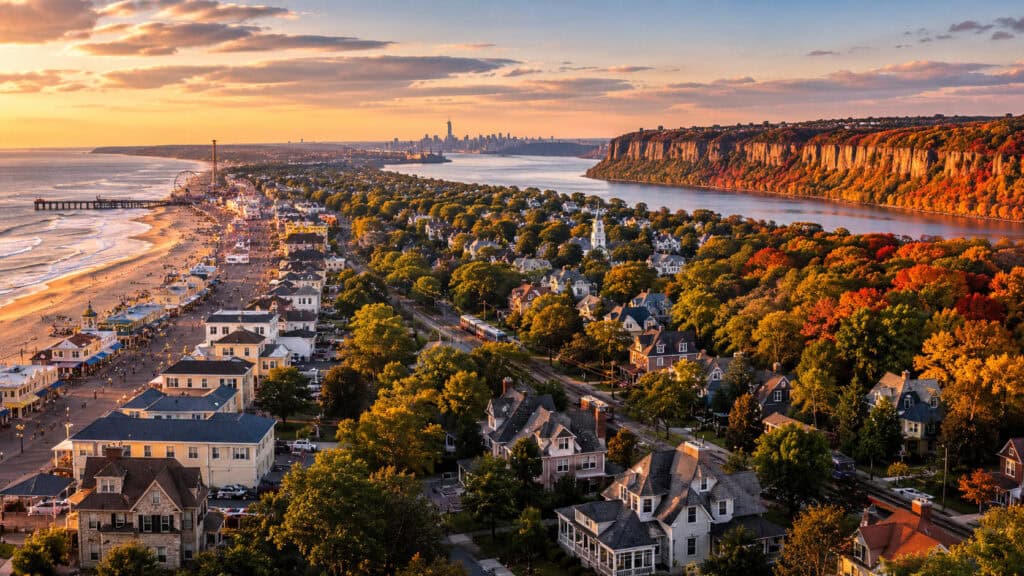
The Garden State packs remarkable range into its miles — boardwalk summers on the Shore, ridge-top autumns above the Palisades, and some of America’s most storied commuter suburbs in between. New Jersey runs a statewide Uniform Construction Code, and it is newly current — the state recently moved to the latest national model codes, making it one of the most code-current places Backyard Paradiso builds. Enforcement and review remain township affairs, though, and the six New Jersey markets cover very different townships: Palisades-edge boroughs, railroad suburbs, the Raritan basin, the Atlantic shore, and the Hudson waterfront. Frost requirements split between the state’s northern and southern code zones, and coastal wind considerations enter at the Monmouth shore. Lot fabric runs from quarter-acre grids to multi-acre wooded parcels, often inside a single market. The Secaucus team anchors the state.
Fifteen boroughs and townships above and behind the Palisades — Alpine, Tenafly, and Saddle River to Ridgewood, Paramus, and Hackensack — where mature-tree lots meet exacting local review.
Twelve communities from Short Hills, Summit, and Montclair to Morristown, Madison, and the Chathams — century-old suburbs where outdoor projects answer to established streetscapes.
A compact six-town corridor centered on Westfield, with Cranford, Scotch Plains, Fanwood, Clark, and Berkeley Heights completing the set.
Princeton, Basking Ridge, and Bernardsville on the wooded western side; Edison, Woodbridge, and East Brunswick in the Raritan basin — the widest central spread in the state.
From Rumson, Fair Haven, and Little Silver on the rivers to Spring Lake, Deal, and Asbury Park on the ocean, with Colts Neck and Marlboro inland — shore conditions shape material and anchoring choices here.
Hoboken brownstone gardens, Jersey City and Weehawken terraces, Bayonne and North Bergen yards, and Secaucus — the corridor the Secaucus team calls home — plus Staten Island, which builds under New York City’s separate code regime.
New York
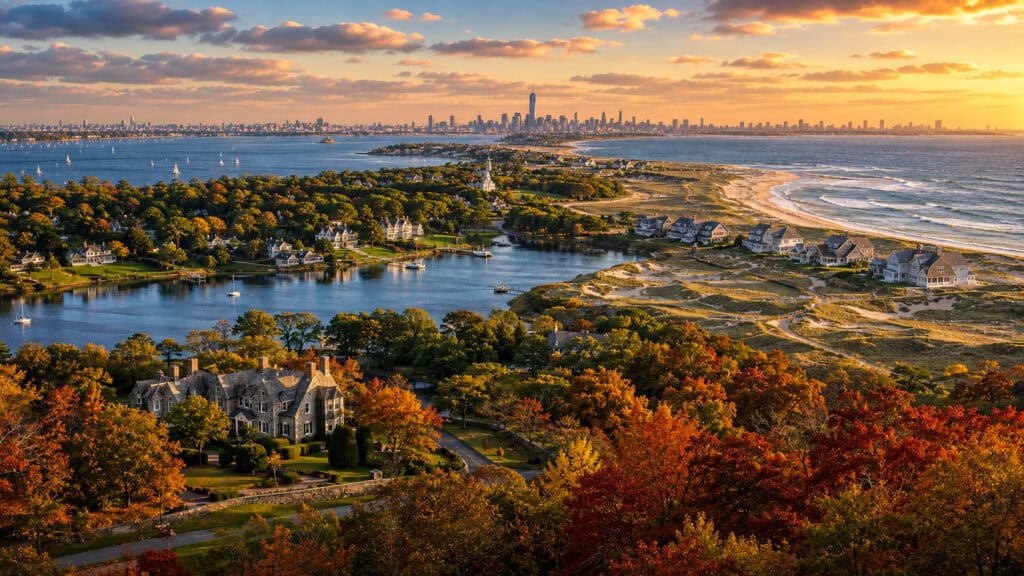
Few places stage the seasons like downstate New York: Sound-side summers on the North Shore, ocean light on the South Fork, and an autumn in the Westchester hills that people travel to see. New York adopted a new state residential code at the close of 2025, and the three New York markets each read it against a different landscape: Westchester’s rocky, wooded uplands; the harbor villages of Long Island’s North Shore; and the South Fork, where wind rather than snow governs the structural envelope. Sound and ocean exposure raise design considerations the inland suburbs never encounter. Village, town, and historic-district review layers are dense, and many projects clear an architectural review before any permit is filed. Mature landscapes and long-settled lot lines put a premium on designs that work with what is already there. Each of the three markets gets that treatment on its own terms.
Twenty communities from Scarsdale, Rye, and Bronxville up through Chappaqua, Bedford, and Katonah, crossing the Hudson to Nyack, Piermont, and New City.
Fourteen communities where a Sands Point waterfront and a Massapequa backyard get the same engineering attention — Great Neck, Manhasset, and Roslyn along the harbors to Huntington Bay, with Garden City, Jericho, and Plainview inland.
Five South Fork municipalities — Water Mill, Bridgehampton, Southampton, Sagaponack, and East Hampton — where oceanfront wind loading, not snow, sizes the structure.
Connecticut
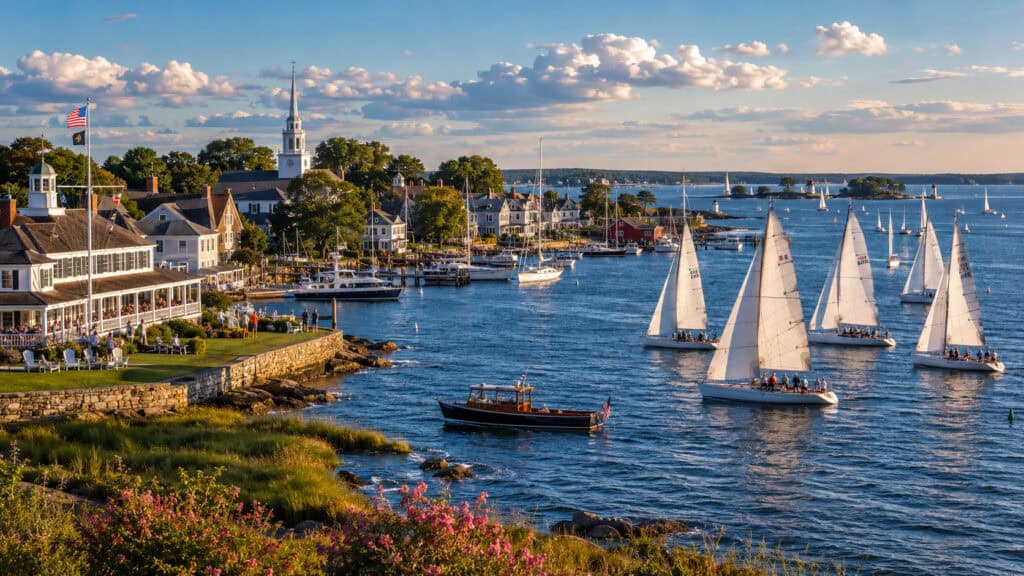
Connecticut’s shoreline is a sailing postcard — harbor villages, weekend regattas, and Sound breezes that have organized outdoor life here for a century. Connecticut concentrates in a single coastal corridor, and it builds under a single statewide building code — a simpler regulatory map than the town-by-town states, with the rigor arriving instead through local zoning, wetlands, and coastal reviews. The governing condition is Long Island Sound: shoreline wind exposure and salt air shape structure and finish selections from Greenwich to Stratford. Behind the shoreline, the corridor climbs into wooded upland towns where lot sizes grow and tree cover becomes the design context. The sixteen communities span both registers, harborfront and hilltop, on the same terms. One market carries the state.
Sixteen communities from Greenwich, Old Greenwich, and Riverside along the Sound through Darien, New Canaan, Westport, and Fairfield to Shelton and Stratford, with Weston, Easton, and Redding in the uplands behind them.
Florida
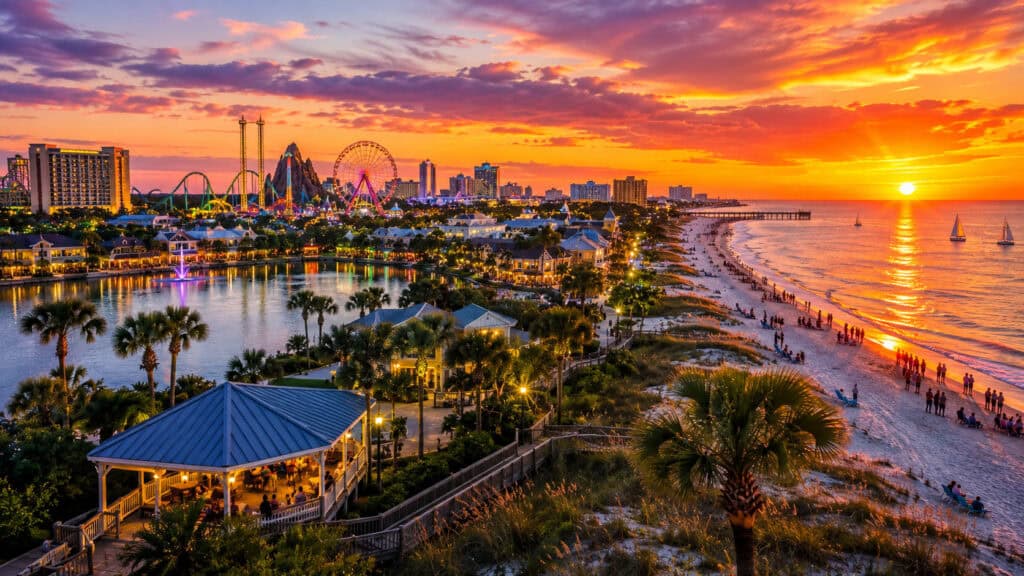
The Sunshine State needs no introduction: Orlando is the theme-park capital of the world, and the Gulf coast answers with sunsets people plan whole evenings around. Florida builds under a single statewide Florida Building Code on a rapid update cycle, and it is the most demanding wind-design environment on this roster. The two Florida markets are two different Floridas: inland Central Florida, where convective summer rain makes drainage and grading the daily discipline, and the Gulf coast, where wind-borne debris protection, flood zones, and salt exposure lead every conversation. Growing zones run warm enough that outdoor living is a twelve-month proposition, so shade and screening do double duty against sun and storm. Both markets are dense with master-planned, HOA-governed communities, and architectural review is the normal first step. The Orlando and Naples teams cover the state.
Twenty-three communities across five counties — Winter Park, Windermere, and Horizon West to Lake Nona, Celebration, and Mount Dora — the widest single roster in the eight states.
Seventeen communities from Old Naples, Aqualane Shores, and Park Shore to Golden Gate, East Naples, and Lely, reaching north through Bonita Springs and Estero to the southern Lee County line.
Texas
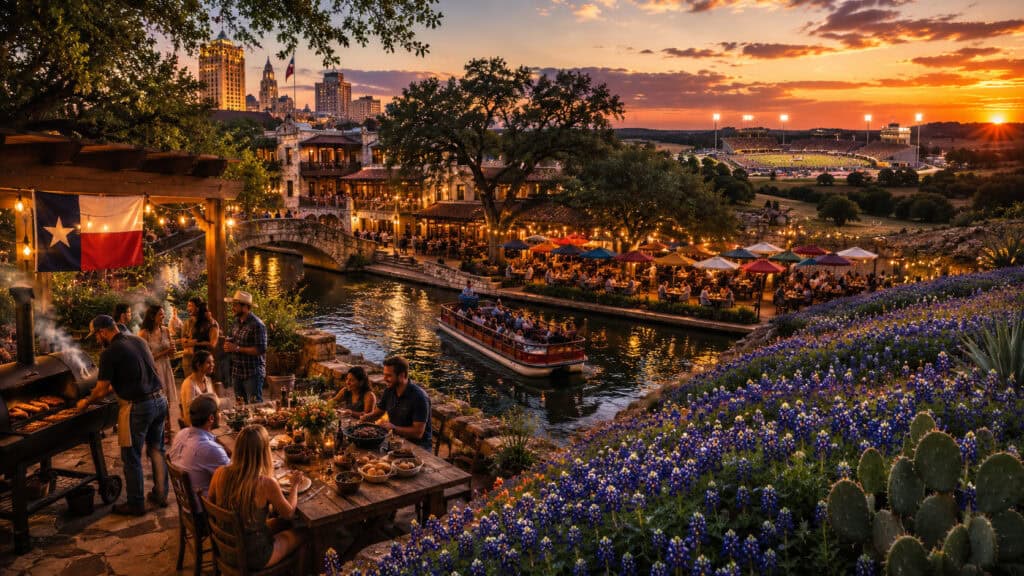
Texas runs on Friday-night lights, backyard barbecue, and springtime bluebonnets — and the San Antonio River Walk makes a standing case that this state was built for eating outside. Texas leaves residential code adoption to its cities, and the three Texas markets line up along the I-35 and Gulf growth corridors where master-planned, HOA-governed communities dominate the housing landscape. Heat is the governing condition: shade structures, ventilation, and finish selection are designed around long, intense summers and an ultraviolet load that punishes shortcuts. Soils shift from Gulf-coast clays to Hill Country limestone across the Blackland Prairie, and drainage is engineered for a wet season that arrives in volume. Hurricane-driven wind design enters on the Houston side. In return, the outdoor season runs longer here than nearly anywhere else Backyard Paradiso builds.
Twenty-three communities ringing the metro — Katy, Cypress, and Fulshear west; The Woodlands, Kingwood, and Conroe north; Pearland, League City, and Friendswood south — where wet-season drainage is designed in, not hoped for.
Nineteen communities along I-35 from Alamo Heights, Terrell Hills, and Olmos Park through Stone Oak, Boerne, and Fair Oaks Ranch to Schertz, Cibolo, and New Braunfels, straddling the Hill Country–Blackland transition.
Twenty communities from West Lake Hills, Lakeway, and Dripping Springs in the hills to Round Rock, Georgetown, and the fast-growing eastern crescent of Hutto, Taylor, and Bastrop.
Illinois
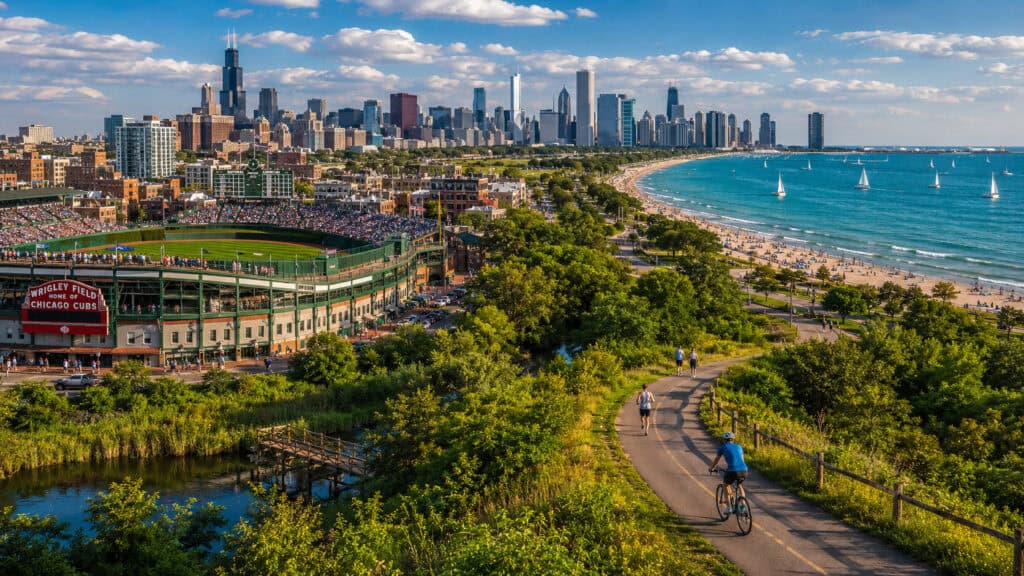
Chicagoland earns its summers — Wrigley Field afternoons, Lake Michigan beaches, and a forest-preserve trail network threading through nearly every one of these suburbs. Illinois, like Colorado, leaves residential code editions to its municipalities, so the four Chicago-area markets track adoptions town by town. The climate is the roster’s hardest freeze-thaw environment: deep frost, lake-influenced snow, and a hardiness-zone boundary running through the region. Footings go deep here, and drainage detail decides how hardscape comes through winter. Historic-district and appearance review is common in the older suburbs, adding a layer of design accountability before permits. The four corridors divide the metro cleanly — DuPage and the Fox Valley west, the Northwest suburbs, the lakefront North Shore, and Will County to the southwest, where the Romeoville team is based.
Eighteen communities with Naperville as the anchor, Hinsdale, Oak Brook, and Elmhurst east of it, and the Fox River towns of St. Charles, Geneva, and Batavia to the west.
Nine anchors from Schaumburg, Arlington Heights, and Palatine out to Crystal Lake and Algonquin, with the Barrington constellation — Barrington Hills to Tower Lakes — at the center.
Evanston, Wilmette, Winnetka, Glencoe, Highland Park, and Lake Forest along the lakefront, with Deerfield, Libertyville, and Vernon Hills inland.
Romeoville — home of the Romeoville team — with Plainfield, Bolingbrook, Joliet, Lockport, Lemont, Homer Glen, Shorewood, Crest Hill, and New Lenox completing the ten.
Ohio
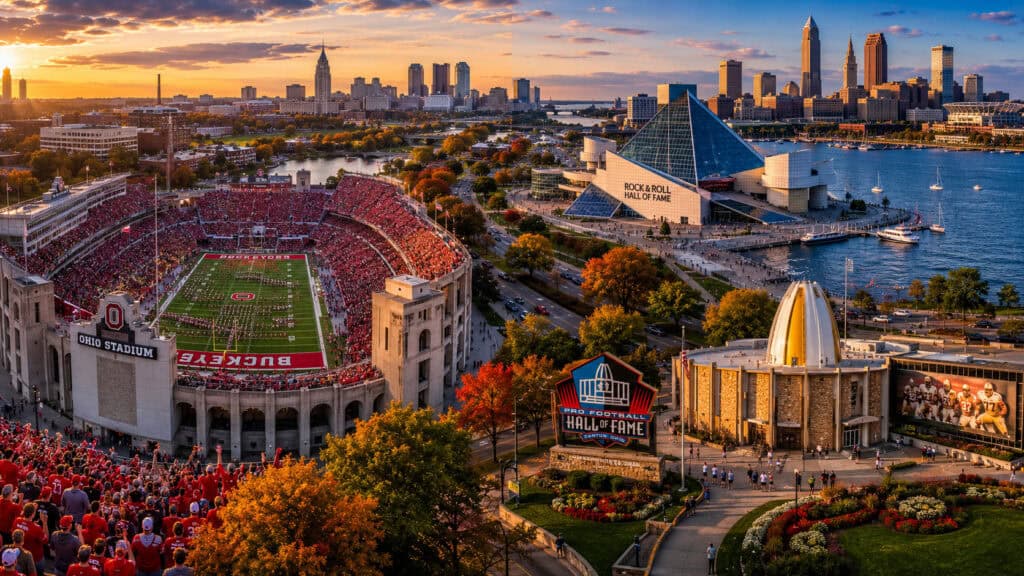
The Buckeye State takes its Saturdays seriously — Ohio Stadium roaring in Columbus, the Rock and Roll Hall of Fame on Cleveland’s lakefront, and the Pro Football Hall of Fame just down the road in Canton. Ohio is the roster’s counterpoint to Colorado and Illinois: a single statewide Residential Code of Ohio governs one- and two-family construction, so what varies across the four markets is conditions and community fabric rather than code edition. Freeze-thaw cycling and well-distributed year-round precipitation make grading, pitch, and joint detail the durability story. Along the Cleveland shoreline, lakefront wind exposure adds a structural layer the inland metros never see. The four markets bracket the state — Columbus, Cincinnati, Cleveland–Akron, and Dayton — each with its own ring of established suburbs. Mature-tree lots and long-settled neighborhoods put a premium on designs that respect what is already there.
Thirteen communities — Dublin, New Albany, Powell, and Upper Arlington among them — ringing the capital metro, with Delaware and Lewis Center extending it north.
Twelve communities from the Village of Indian Hill, Madeira, and Montgomery to Mason, West Chester, and Liberty Township north of the city.
A dual-nucleus market of fifteen communities: Beachwood, Solon, and the west-shore lakefront towns of Westlake, Rocky River, Avon, and Avon Lake around Cleveland; Hudson, Stow, and Cuyahoga Falls toward Akron.
Eight communities south and east of the city — Centerville, Beavercreek, Kettering, Springboro, Bellbrook, Miamisburg, and Washington Township.
Finding your market
Every designation lists its full roster of anchor communities on its market page, along with the conditions and code framework that govern projects there. Homeowners between corridors, or just outside one, can still start the conversation — the nearest team is available for consultation, design development, and on-site review by appointment.